The coating systems we apply are among the most technically advanced surface protection products available anywhere in the world. Understanding how they work, what they're made of, and how they've been independently tested is the basis for a confident decision — not marketing claims, but documented performance data.
If you're evaluating surface protection options, this is where the comparison starts.
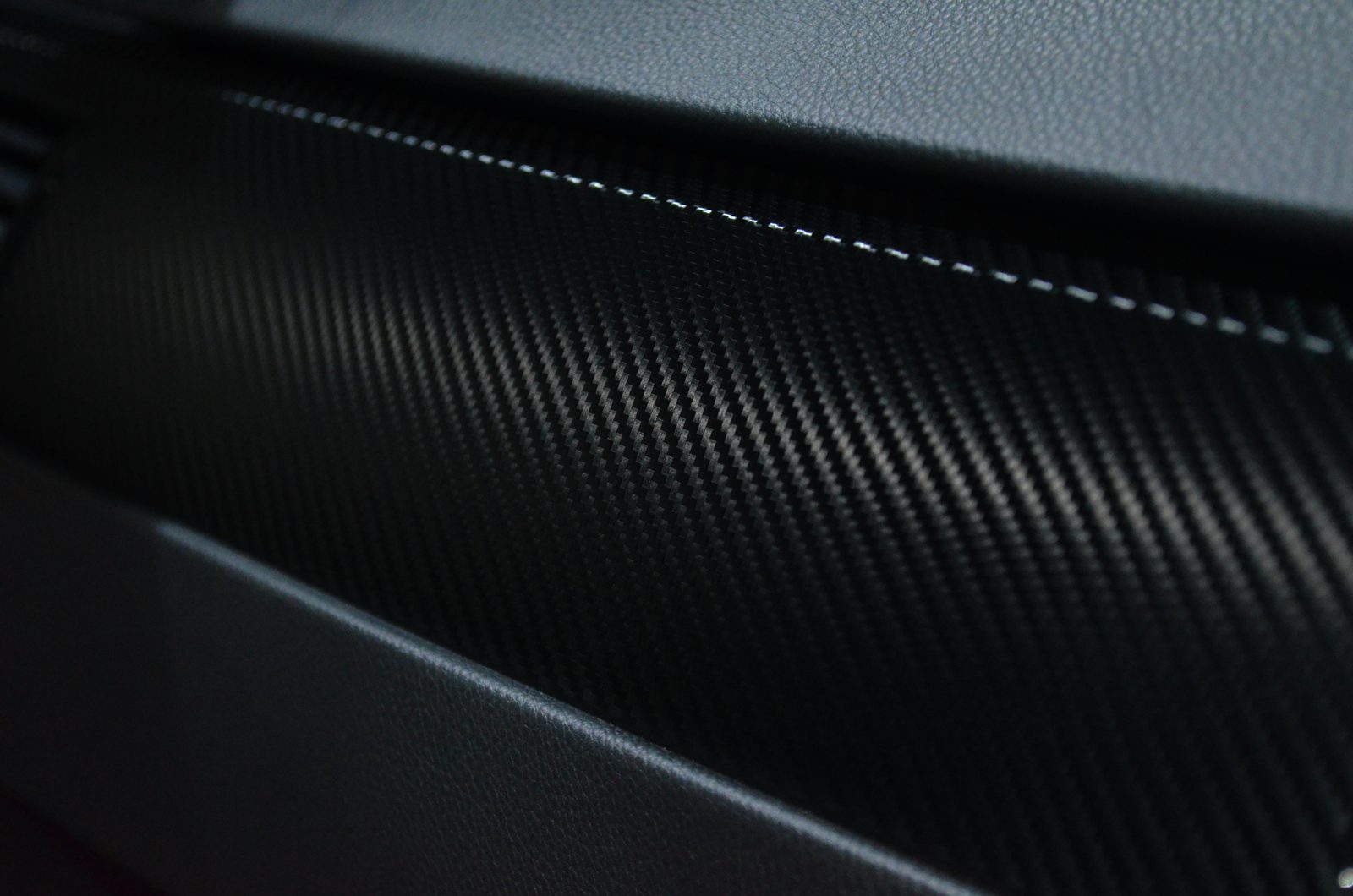
A ceramic coating is a semi-permanent, non-metallic, inorganic clear coat that bonds chemically to the surface it's applied to. That definition matters, because it's the line between a real ceramic system and the wax, sealant, or "spray-on coating" products it gets confused with. Wax sits on the surface and degrades. A bonded ceramic coating becomes part of it.
The IGL systems we apply are silica-based and graphene-reinforced. The resin backbone is a silicone polymer (polydimethylsiloxane, or PDMS) — chosen because it's stable, optically clear, and resistant to UV and heat. The bonding chemistry is what does the real work: silane groups in the formulation react with the substrate to form covalent Si–O bonds. That's what gives the coating its durability under washing, abrasion, and weathering — not a film resting on top, but a layer chemically anchored to the surface beneath it.
The coating is dry to the touch within hours and reaches full cure over five to seven days. During that window, the coated surface needs to be kept dry and away from harsh chemicals so the bonding process can complete. After that, the finish is locked in.
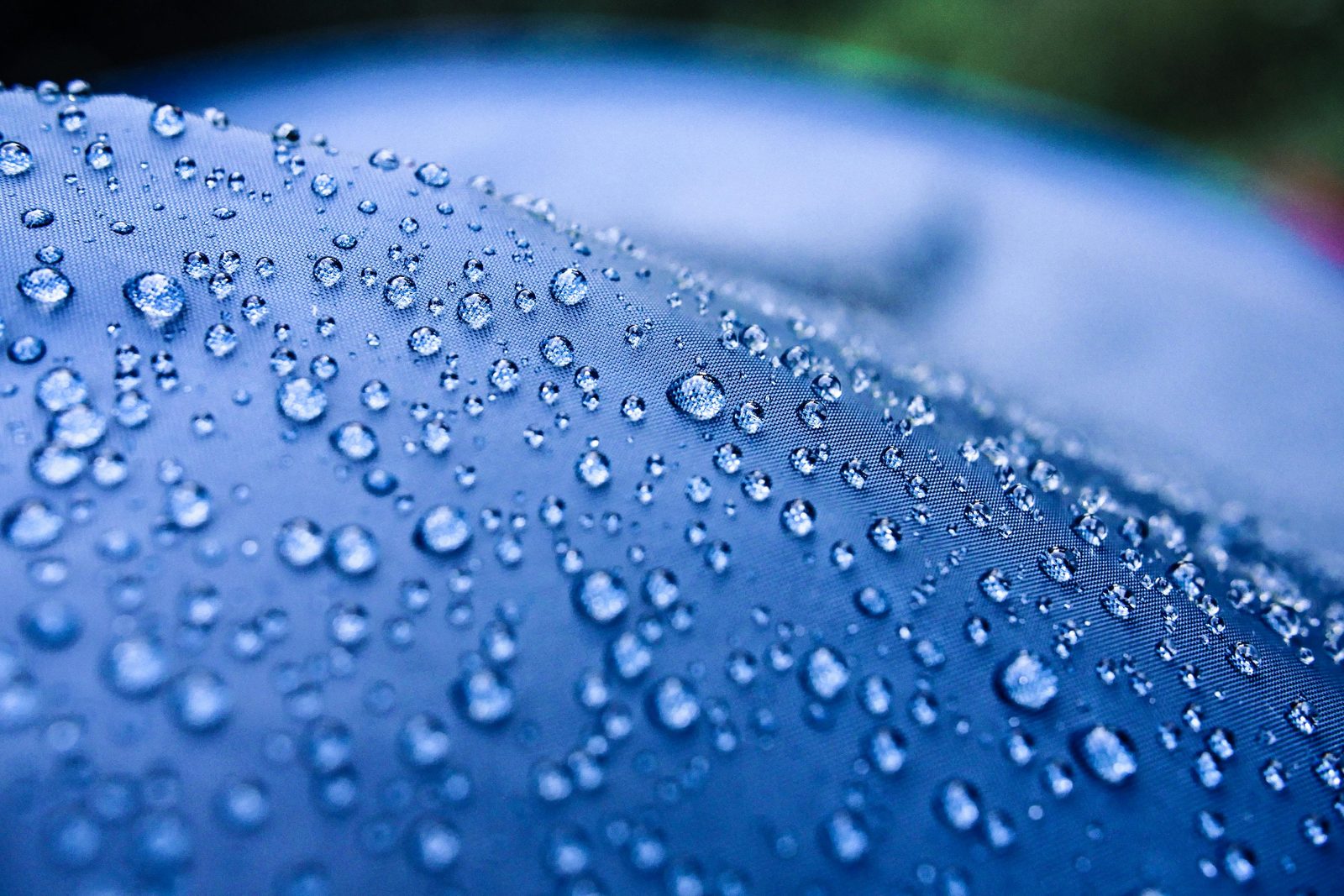
The most visible characteristic of a properly bonded ceramic coating is how it handles water. Surfaces are described as hydrophobic when their water contact angle exceeds 90° — meaning water beads up rather than spreading and wetting the surface. IGL's ceramic coatings sit between 91° and 120° depending on the specific formulation. Practically, that means water sheets off rather than sitting on the surface, taking dust and contamination with it. Cleaning is faster, mineral deposits have less time to bond, and the surface stays presentable longer between proper washes.
Superhydrophobic surfaces — water contact angle above 150° — exist in laboratory conditions but rarely survive real-world exposure. The 91°–120° range IGL targets is the engineering sweet spot: high enough to deliver real-world self-cleaning behaviour, durable enough to hold that performance for years.
The bonding chemistry only works on a properly prepared surface. Contamination, oxidation, embedded iron particles, and existing coating residue all interfere with the reaction between the silane groups and the substrate. Skip a preparation step and the coating either fails to bond properly or seals the contamination underneath it — where it continues to do damage.
What preparation looks like depends entirely on the substrate. Stone, timber, metal, glass, fabric, concrete, and painted surfaces all have different contamination profiles and different preparation requirements. On a bathroom surface, preparation means treating mineral deposits and stripping old sealers before anything is applied. On an industrial asset, it means removing rust, oxidation, and years of built-up contamination. On a boat hull, it means dealing with antifouling residue and chalked gel coat. Every substrate has its own version of the sequence — and every one of those sequences has to be completed before coating starts.
For example, our paint correction and preparation process for vehicles follows this sequence:
Coating is always the final step. Everything before it determines how well the coating bonds and how long it performs.
This is why we start every job with a free on-site assessment. We need to see the substrate before we can specify the right preparation sequence, the right product, and a quote that reflects what the surface actually needs.
The coating systems we apply are made by IGL Coatings, a Malaysian manufacturer that has spent the last decade building a reputation for low-VOC, REACH-compliant, graphene-reinforced ceramic coatings. The products below are the ones we specify most often across residential, commercial, industrial, marine, and automotive work. Each one is engineered for a specific substrate and a specific performance requirement — they're not interchangeable, and the right product for any given surface comes out of the on-site assessment, not a catalogue.
A two-component, graphene nanotube reinforced clear coat engineered for metal, alloy, concrete, glass and wood surfaces in corrosive environments. Unlike traditional anti-corrosion systems that hide damage under thick pigment, Aegis stays transparent — so early signs of corrosion are visible and can be addressed before they spread. No primer required. We apply it to structural steel, fleet vehicles, marine fittings, and industrial plant.
A titanium dioxide (TiO₂) photocatalytic coating activated by UV light. When light hits the coated surface, a photocatalytic reaction breaks down bacteria, viruses, and organic contamination on contact — which is why it's specified for high-touch surfaces in healthcare, childcare, gyms, and hospitality. It's FDA food-safe rated, though IGL recommends it for high-touch surfaces adjacent to food preparation rather than direct food-contact surfaces.
A REACH-compliant, high-solids ceramic coating for industrial and commercial surfaces in demanding environments — chemical handling, oil & gas, mining, cement, and heavy industrial facilities where surfaces need to release contamination rather than absorb it. Also specified for residential kitchens, bathrooms, and stone benches where easy-clean performance is the priority. Can be wiped, sprayed (HVLP), brushed, or rolled.
A two-component graphene-reinforced coating engineered for glass and ceramic surfaces — shower screens, pool fencing, balustrades, windscreens, skylights, high-rise commercial glazing, and bathroom glass. Uses PETRONAS Graphene Infinite technology with ProShield+™ Lumina for long-lasting hydrophobic protection. Used together with Ecoclean Glass+ as the surface preparation product.
A water-based, zero-VOC coating for porous textile and leather surfaces — upholstery, carpets, car seats, convertible tops, suede, Alcantara, roof linings, clothing, shoes, and bags. Creates a hydrophobic barrier that repels liquid and stains at the fibre level without sealing the surface, so the material stays breathable and the natural texture is preserved. Solvent-free and odourless — safe for use around pets, children, and on baby seats and prams.
A heavy-duty, PETRONAS Graphene-reinforced surface coating engineered for industrial and commercial environments where slickness, durability, and resistance to build-up are operational requirements. Applied across metal, plastic, glass, and painted surfaces — equipment, kitchen benches, bathrooms, appliances, and high-contact assets where a standard ceramic system needs more weathering, chemical, and abrasion resistance.
The IGL automotive range in Australia is tiered across four coatings, each designed around a different combination of durability, hardness, and application requirements. The right coating for any vehicle depends on how it's used, how often it's washed, and how long the owner wants the finish to last.
Ecocoat Kenzo — Graphene-Reinforced Flagship. IGL's flagship paint protection system and the benchmark for 10H ceramic coatings. Two-layer system, 100% active material / zero VOC, graphene nanoplatelet reinforced, REACH-compliant, manufactured under ISO quality standards. Restricted to certified Kenzo applicators.
Ecocoat Arcane — Graphene Infinite, Single-Layer. A single-layer graphene-reinforced ceramic using IGL's Graphene Infinite — the world's first low-carbon-footprint graphene, sourced from petroleum coke waste. Delivers high-end durability with a faster application window and a 2-hour water-safe cure.
Ecocoat Elixir — Silica-Based 3-Year Single-Layer. A premium silica-based ceramic coating engineered for daily drivers, delivering a deep-gloss finish with durable protection against UV, water spots, and environmental contaminants. Applied indoors or outdoors — outdoor-application friendly, which sets it apart from other coatings in the range.
Ecocoat EZ — Graphene-Reinforced, Multi-Surface. A graphene-reinforced single-layer coating suitable for paint, plastics, rubber, and metals. Designed for ease of application with low tackiness and low high-spotting risk — the entry point to graphene-reinforced ceramic protection. Coated surfaces can be wet after 2 hours.
IGL coatings are tested to international ASTM standards and certified to ISO quality guidelines. The figures below are the ones we lean on most often when talking to clients — corrosion, abrasion, antimicrobial performance, food-contact compliance — and they come from independent labs and accredited certifying bodies.
Aegis has been tested to ASTM B117 salt spray exposure for 6,000 hours and to 4,000 hours of water immersion — the testing that underpins its C5 corrosivity rating (the highest tier under ISO 12944, covering industrial and coastal exposure). For context, traditional lanolin-based underbody coatings typically measure around 200 salt spray hours, and Nyalic sits around 1,000.
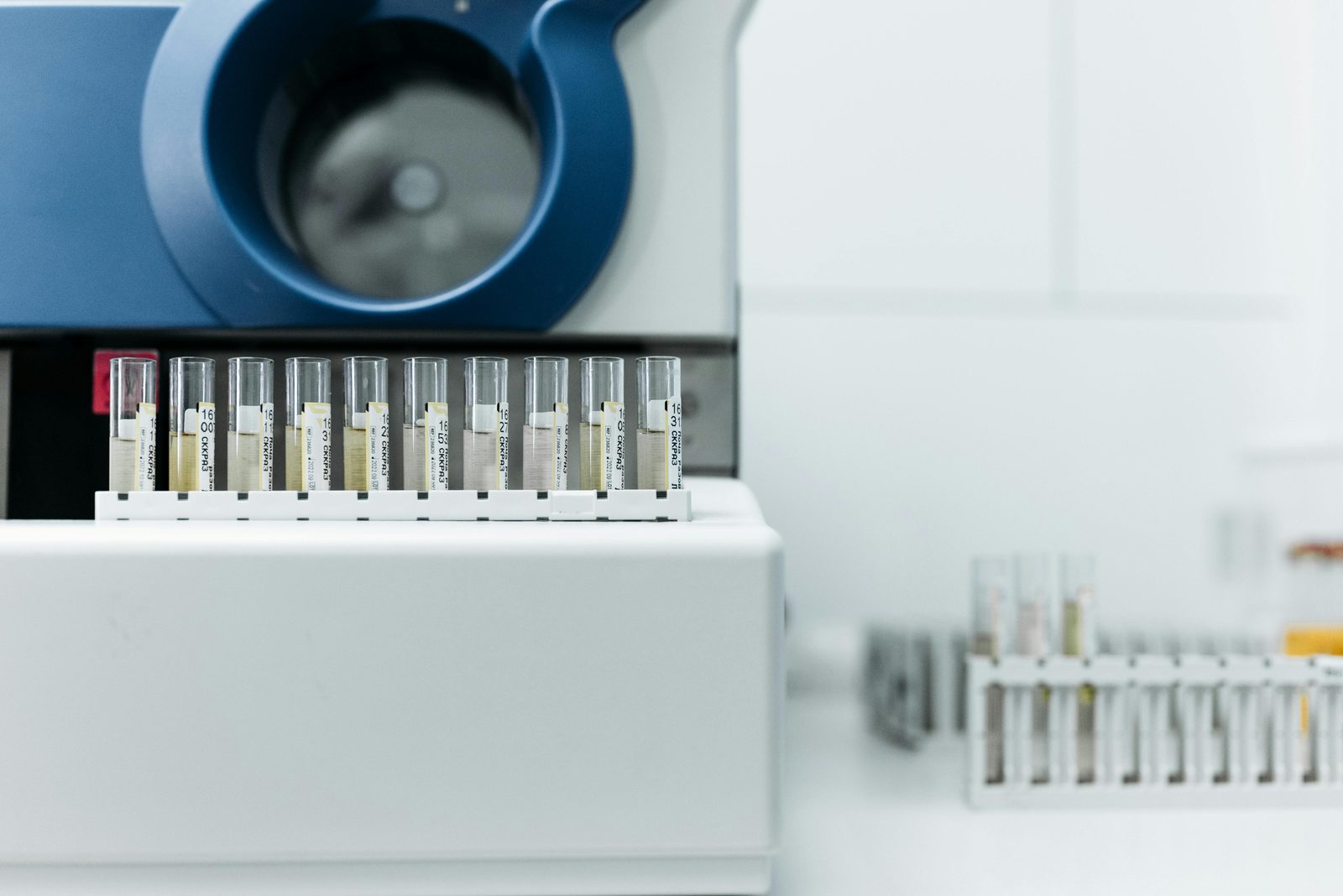
Titan's antimicrobial performance has been independently tested by the University of Malaya and the Tropical Infectious Diseases Research and Education Centre (TIDREC). The coating has demonstrated strong antibacterial performance against gram-negative bacteria, with partial activity against gram-positive strains. Antiviral testing showed 99.9% reduction of Feline Coronavirus — the standard surrogate for SARS-CoV-2 — under ASTM E1053. Because it's a bonded photocatalytic layer rather than a surface-applied disinfectant, Titan keeps working between cleaning cycles rather than washing off with the last wipe-down.
Mithril is IGL's most heavily abrasion-tested coating: over 180,000 cycles on ABS plastics, tested to ASTM abrasion standards. Titan, engineered for high-touch environments, has been validated for over 10,000 scrub cycles using IGL's 'Activ-Tough' technology — designed specifically to survive frequent cleaning in healthcare, childcare, and food-service settings without degrading.
Aegis, Titan, and Mithril are all FDA 21 CFR 175.3 compliant — the US food-contact standard for surfaces adjacent to food preparation. This matters for commercial kitchens, food processing, hospitality, and residential applications around cooking surfaces, where the coating sits near food but isn't a direct food-contact surface itself.
IGL Coatings is ISO-certified and manufactures under REACH-compliant quality guidelines. Products across the range — including Kenzo, Arcane, Eclipse, and Aegis — are validated against ASTM testing processes. Technical Data Sheets and Safety Data Sheets for every coating we apply are provided with every installation, and the Document Library below has them available for review at any time.
Every installation includes the relevant Technical Data Sheets, Safety Data Sheets, and independent test certificates for the coatings we've used. If you're comparing products, preparing a compliance pack, or just want to review the numbers before you book, we're happy to send them through.
Request DocumentationWe come to you, assess your surfaces, and provide a written recommendation and quote before we leave site — at no cost.
Get Started