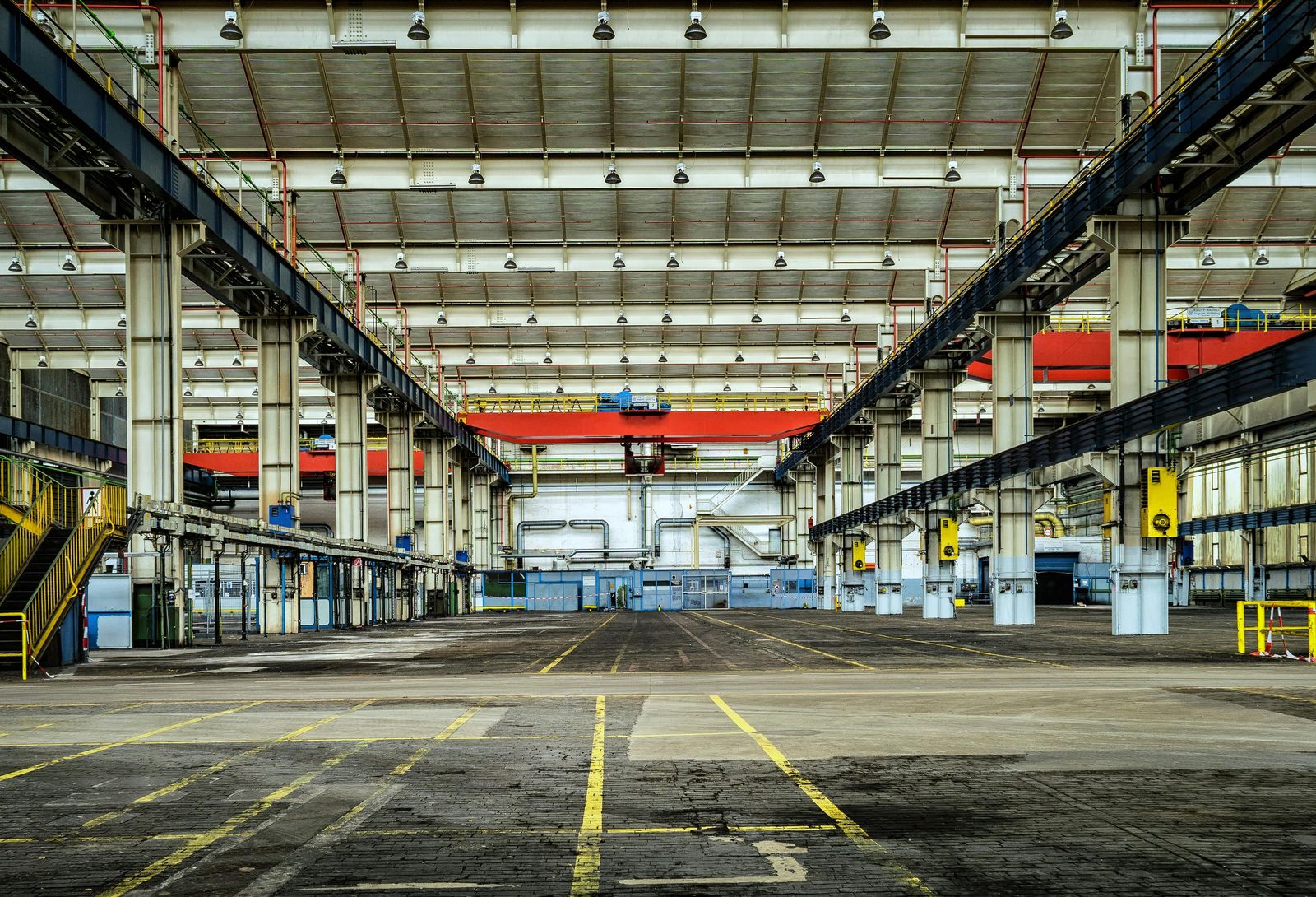
Industrial assets don't get replaced when they look bad. They get replaced when they stop working — and by then, the corrosion, chemical damage, or surface degradation that caused it has been building for years. Protection applied early is a fraction of the cost of remediation later.
Every industrial job starts with understanding the environment — what the surface is exposed to, how often, and what failure actually costs. The protection system follows from that. Not the other way around.
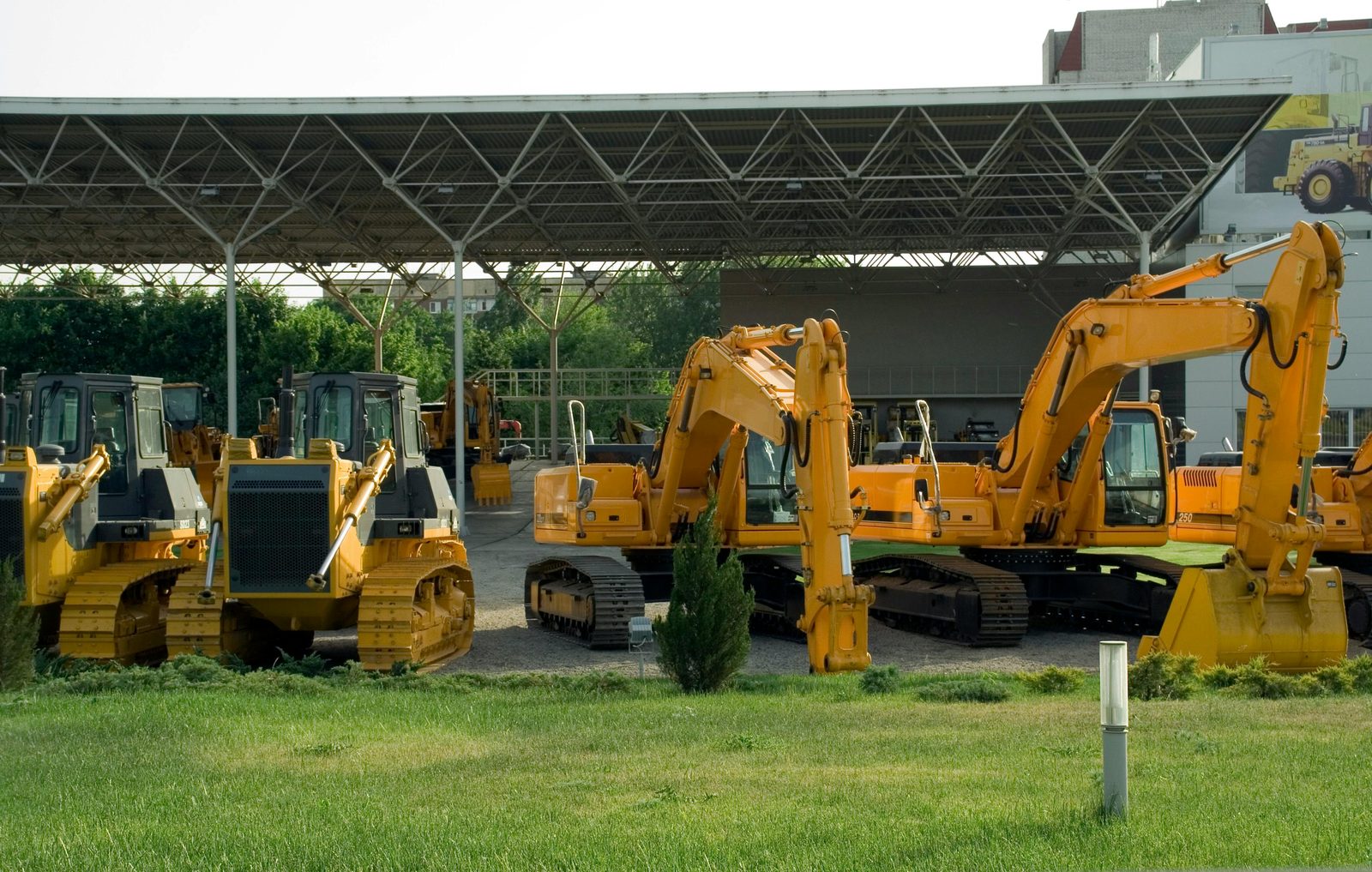
Heavy plant sits outside, runs hard, and takes constant exposure to moisture, chemicals, UV, and mechanical contact. The factory finish that came with the equipment wasn't designed for that — it was designed to look good on the showroom floor. Once it starts to break down, corrosion gets underneath it and the degradation accelerates.
Repainting plant is expensive and time-consuming. It also doesn't address the underlying problem — bare metal that has no meaningful barrier against the environment it operates in.
We apply ceramic and anti-corrosion coating systems to plant and equipment that extend service life, reduce maintenance cycles, and keep corrosion from getting a foothold in the first place. The asset runs longer and costs less to keep in service.
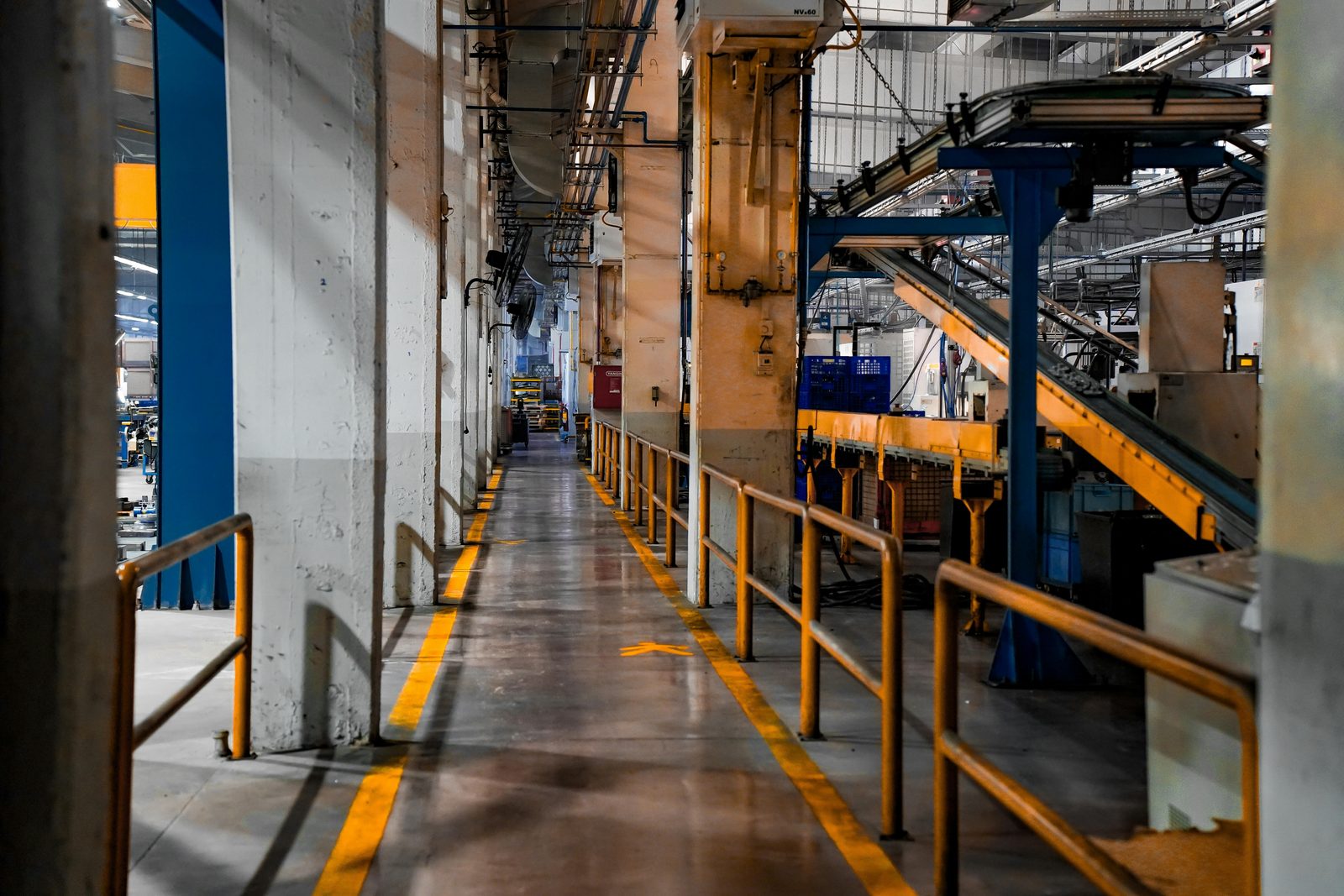
Concrete floors in industrial environments take chemical spills, heavy vehicle traffic, dropped loads, and constant foot traffic. Unsealed concrete absorbs everything — oils, acids, cleaning agents, and moisture — and once contamination is in the substrate, the floor starts to deteriorate from below the surface.
The result is dusting, cracking, and surface breakdown that creates both a maintenance problem and a safety issue. Cleaning an unsealed industrial floor properly is also considerably harder and more time-consuming than it needs to be.
A ceramic floor coating seals the substrate, creates a surface that resists chemical penetration and abrasion, and makes the floor genuinely cleanable. It doesn't need to be replaced — it needs to be protected before the damage is already done.
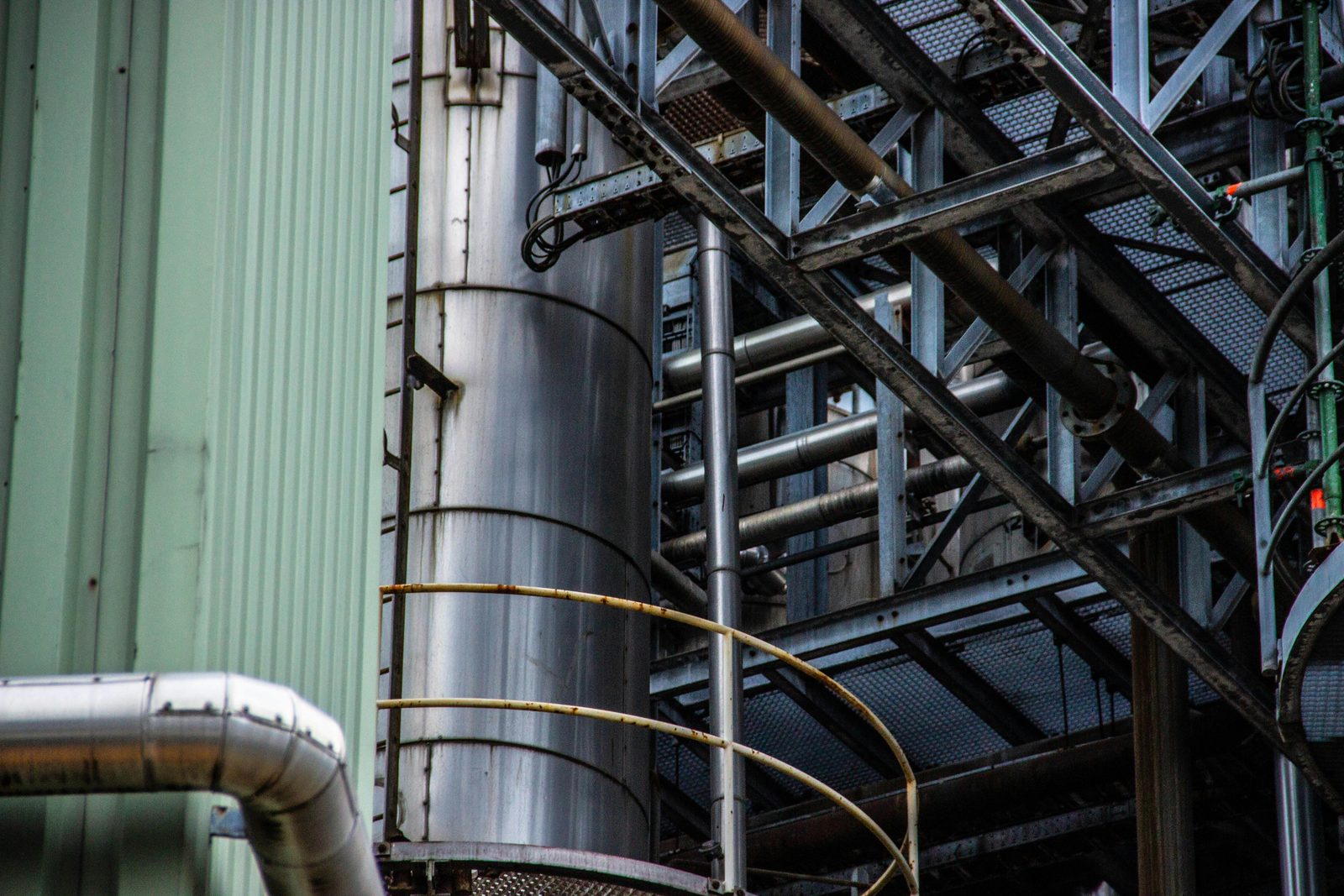
Metal corrodes. The only question is how fast. In industrial environments — coastal exposure, chemical contact, humidity, and mechanical wear — the answer is usually faster than expected. Structural steel, fabricated components, equipment frames, and pipework all start degrading the moment the factory finish is compromised.
Most operators treat corrosion reactively. By the time it's visible on the surface, it's already progressed well beyond what can be seen. The remediation cost at that point is multiples of what prevention would have been.
We apply anti-corrosion ceramic systems to metal surfaces that create a genuine barrier against moisture, chemical attack, and oxidation. Applied to new fabrication or as part of a maintenance program on existing assets, the protection extends service life significantly and reduces the frequency and cost of reactive repair.
Some industrial surfaces don't just need protection — they need protection that can take sustained chemical exposure, mechanical abrasion, or both simultaneously. Processing areas, chemical handling zones, loading docks, and manufacturing surfaces operate in conditions that will defeat a standard coating inside twelve months.
The failure mode is predictable: the coating breaks down, the substrate is exposed, and the contamination or corrosion damage that follows is expensive to fix and disruptive to operations while it's being addressed.
We specify and apply coating systems rated for the actual conditions the surface operates in — not a generic industrial coating that looks adequate on paper. Chemical resistance, abrasion tolerance, and substrate adhesion are matched to the environment before anything goes on the surface.
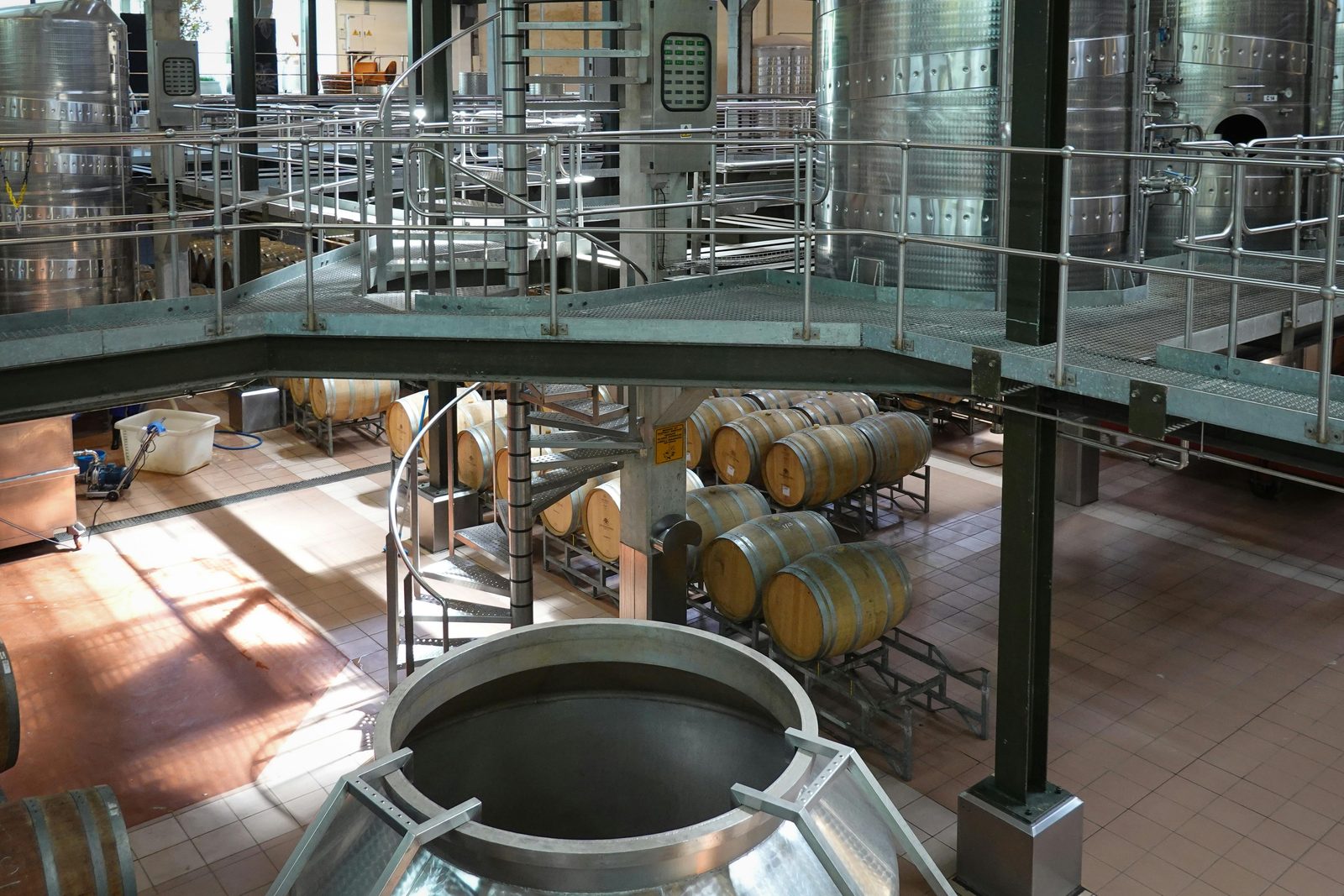
Industrial facilities have a lot of surface area and a maintenance budget that never quite covers all of it. The surfaces that get ignored are usually the ones that fail first — and when they do, the repair cost is always higher than the prevention cost would have been.
A structured surface protection program changes the maintenance equation. Instead of reactive spend on whatever has failed this quarter, you're working through a schedule that extends asset life across the facility and keeps the overall cost predictable.
We work with facility managers to assess surface condition, prioritise by risk and cost of failure, and apply protection systems that reduce the frequency and severity of maintenance interventions. Less reactive spend. More control over the asset.
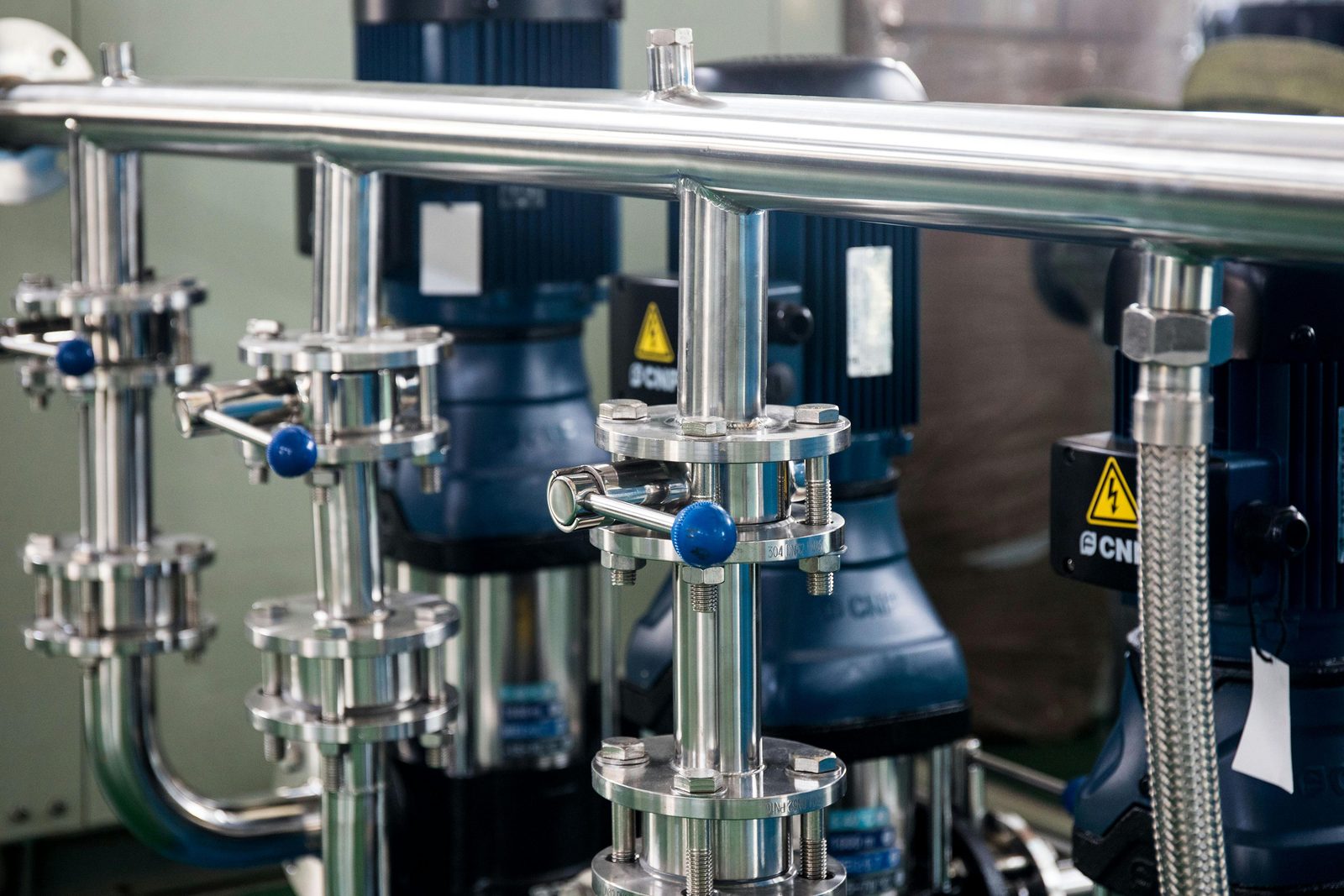
Graffiti on concrete is an ongoing cost for councils, asset managers, property owners, and transit authorities. Uncoated concrete is porous — paint soaks into the surface and bonds at depth, making removal expensive, labour-intensive, and damaging to the substrate over repeated cleaning cycles. The surface degrades faster than the problem gets solved.
IGL Aegis applied to concrete creates a sealed, hydrophobic barrier that prevents paint from penetrating the substrate. When graffiti hits a coated surface, it sits on top of the coating rather than bonding into the concrete — and removes cleanly without aggressive chemicals or abrasive methods that damage the surface underneath. The coating remains intact and effective through multiple removal cycles.
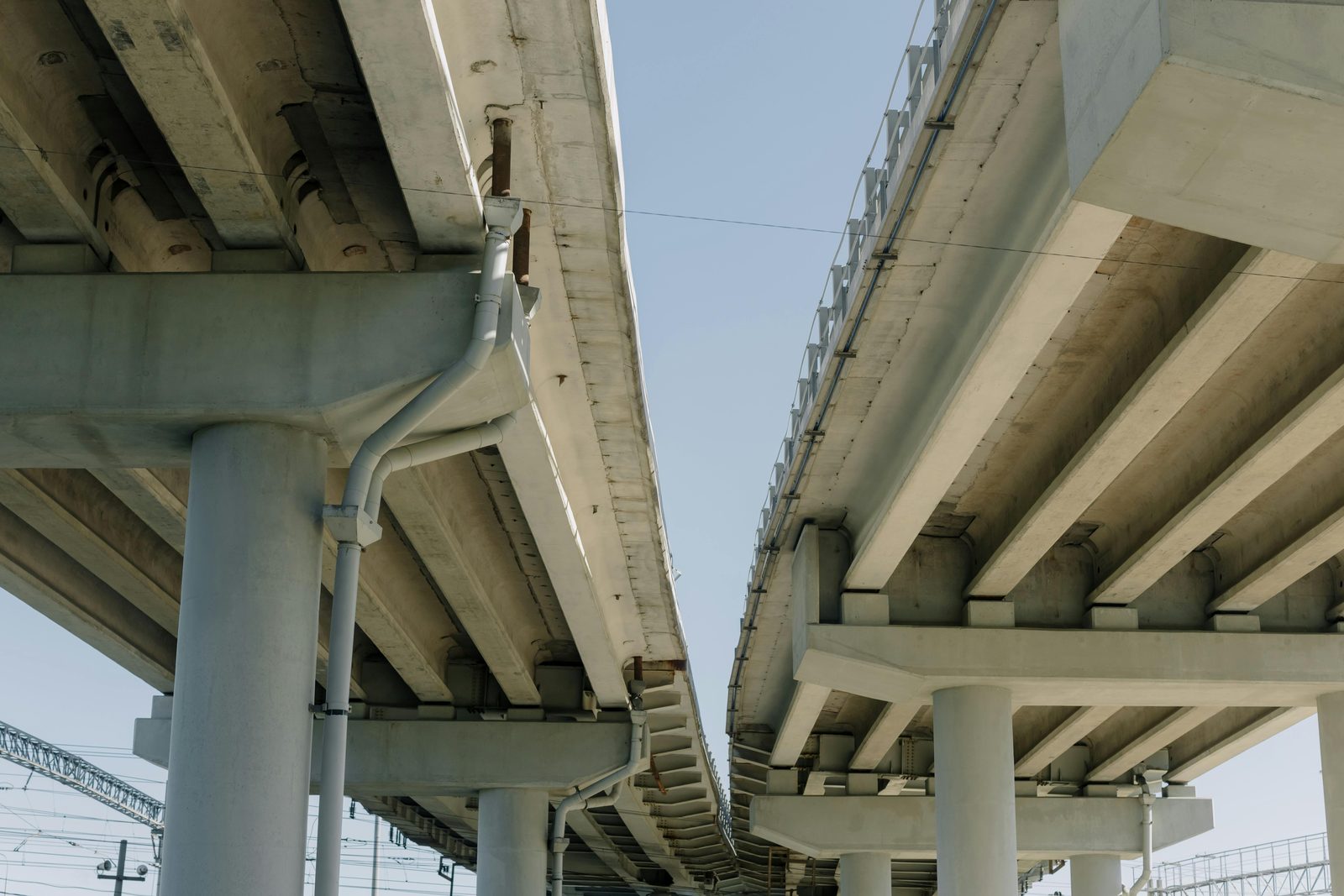
Applied to walls, pillars, underpasses, retaining structures, transit shelters, and any concrete surface that's a repeat graffiti target. One application shifts the maintenance equation: less time cleaning, less damage per clean, and a surface that holds up over years rather than deteriorating with every removal attempt.
We come to you, assess your surfaces, and provide a written recommendation and quote before we leave site — at no cost.
Get Started