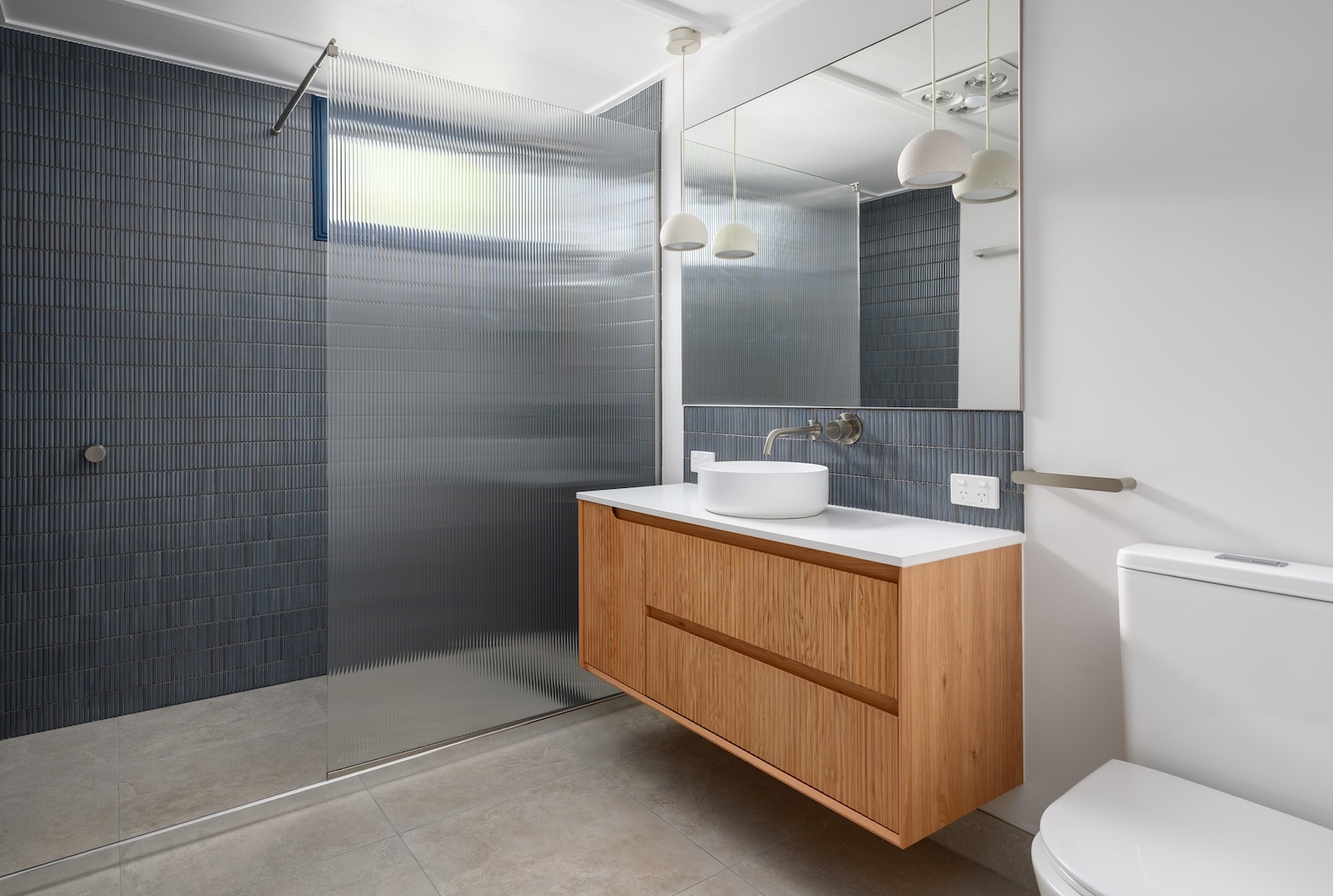
Most homes are built to look good on handover day. The surfaces that make them look that way — stone benchtops, luxury bathrooms, timber floors, glass balustrades, outdoor entertaining areas — weren't designed for years of daily use without protection. Coating Tech specialises in protecting luxury bathrooms and high-end residential surfaces, applying professional-grade ceramic and graphene systems so your surfaces perform as well in year five as they did on day one.
The coating systems we use are among the most technically advanced available anywhere in the world — independently certified, low and zero VOC, and built to perform for years, not months. But the coating is only as good as the preparation beneath it. We follow certified preparation protocols on every surface, every time, because that's what determines the result.
Kitchen benchtops, splashbacks, and bathroom surfaces take daily punishment from cleaning products, moisture, heat, and constant contact. Stone stains. Grout discolours. Glass shower screens haze. And the weekly cleaning routine that's supposed to maintain them is often the thing accelerating the damage.
Most surfaces in a kitchen or bathroom were never sealed to a standard that holds up to how they're actually used. The protection that came from the manufacturer or builder is rarely sufficient for more than the first year or two.
We apply ceramic protection to stone benchtops, splashbacks, shower glass, bathroom tiles, and cabinetry that creates a sealed surface resistant to staining, moisture, and the cleaning chemicals required to maintain them. Luxury bathrooms are a particular speciality — large-format stone tiles, frameless glass enclosures, and feature surfaces that require careful preparation and precise application to protect without altering the finish. Less time cleaning. Surfaces that hold up to daily life.
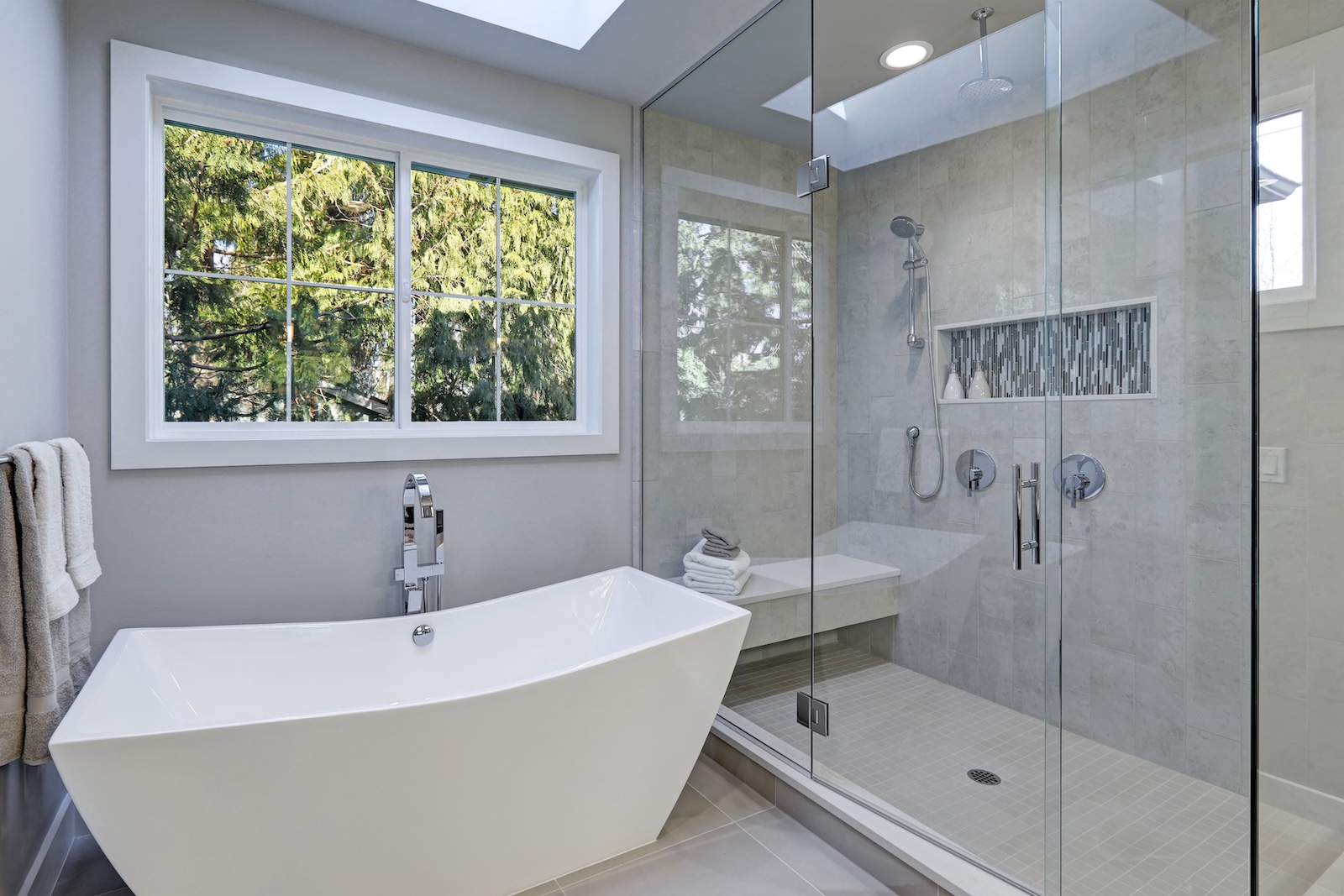
Upholstered furniture, carpets, rugs, and leather surfaces are the most used and least protected surfaces in most homes. Spills soak in before they can be blotted. Fabric fibres absorb oils from skin contact over time. Leather dries, cracks, and stains without regular conditioning — and even then, the protection is temporary.
Ceramic fabric and leather protection creates an invisible barrier that repels liquid at the surface before it penetrates the fibre or hide. Spills bead and wipe away. Staining from contact is significantly reduced. The furniture lasts longer and stays cleaner between proper cleans.
It's one of the most overlooked applications in residential surface protection and one of the most practical — particularly in homes with children, pets, or both.
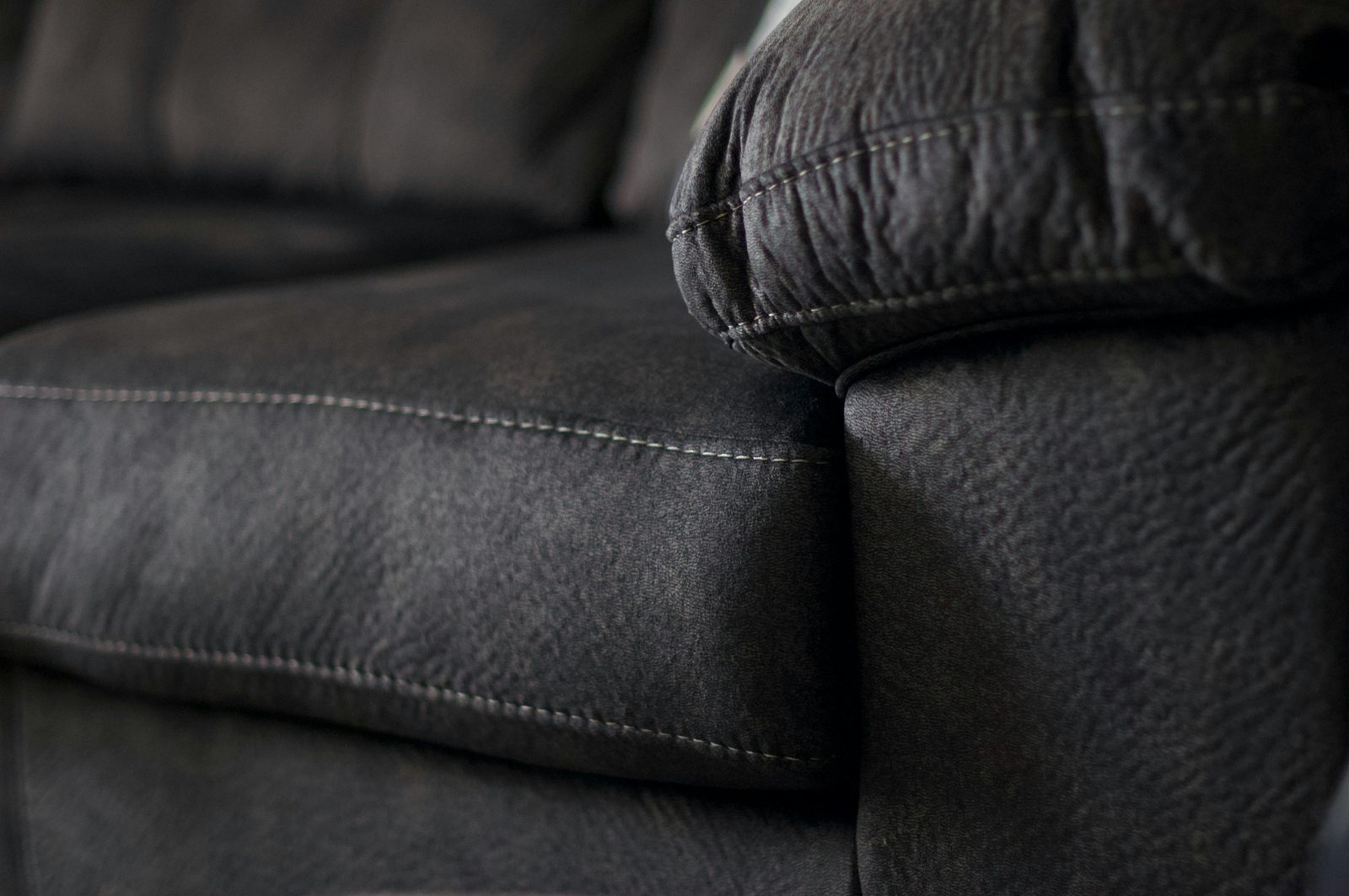
Outdoor entertaining areas and the natural materials used in them — timber decking, stone paving, pool surrounds, and timber pool furniture — are exposed to everything Queensland throws at them. UV, rain, salt air, organic staining, and constant foot traffic degrade surfaces that were never properly sealed in the first place. Timber weathers and splinters. Stone stains and grows biological matter in the joints. Decking discolours and becomes a maintenance problem within the first season.
Timber and stone are the surfaces people pay the most for and protect the least. Unsealed timber absorbs moisture, swells, and splits. Exposed to UV it greys faster than most owners expect. Stone — whether it's marble, travertine, sandstone, or bluestone — stains, etches, and absorbs organic matter that cleaning alone won't shift. Timber pool furniture is particularly vulnerable: constant moisture exposure, UV, and pool chemical contact break down unprotected wood quickly.
We apply penetrating and surface ceramic protection systems to decking, paving, stone, timber pool furniture, outdoor glass, and natural stone surfaces that seal the substrate, repel moisture and staining, and preserve the character of the material. The outdoor space stays usable, presentable, and low-maintenance for years longer than it would without protection.
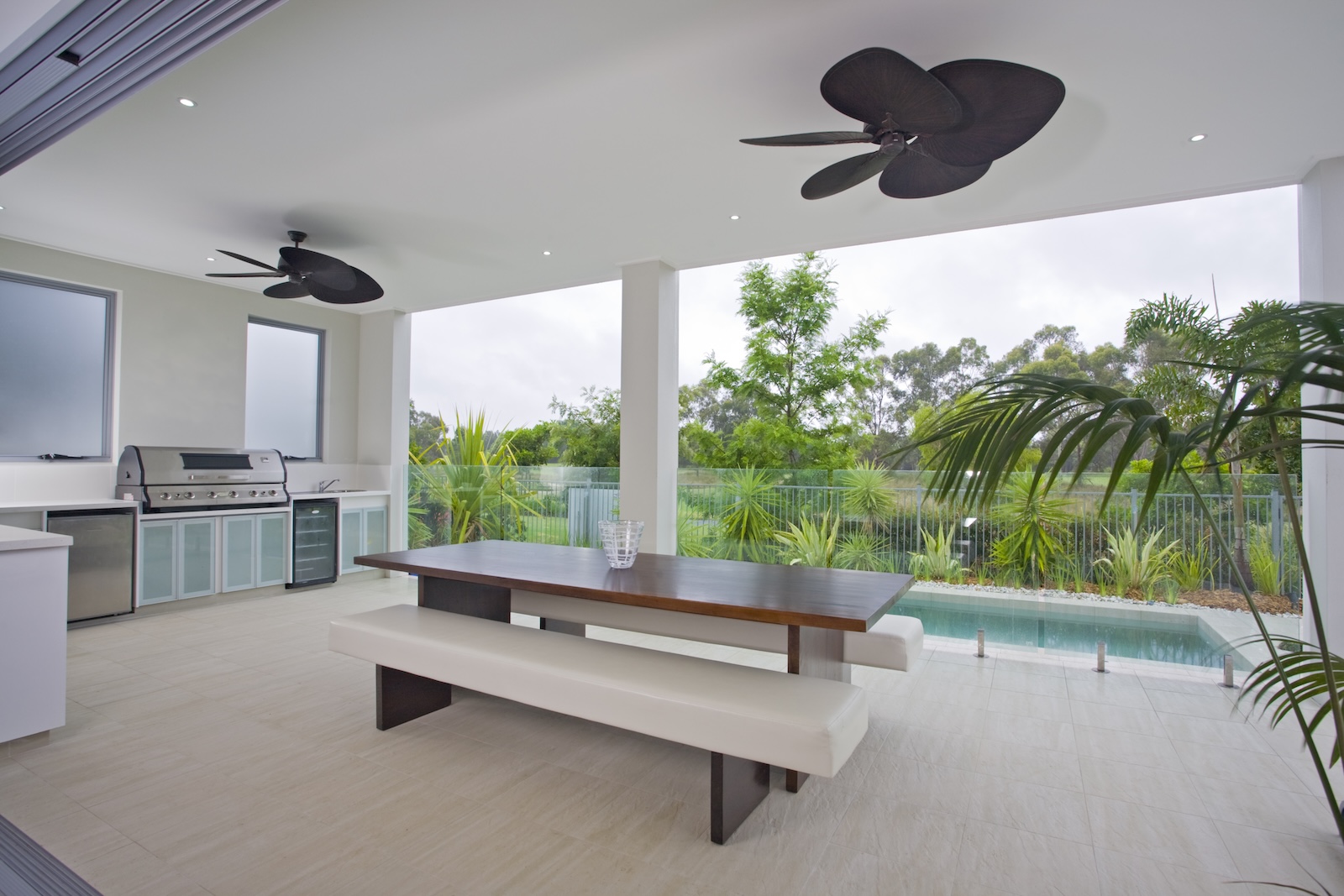
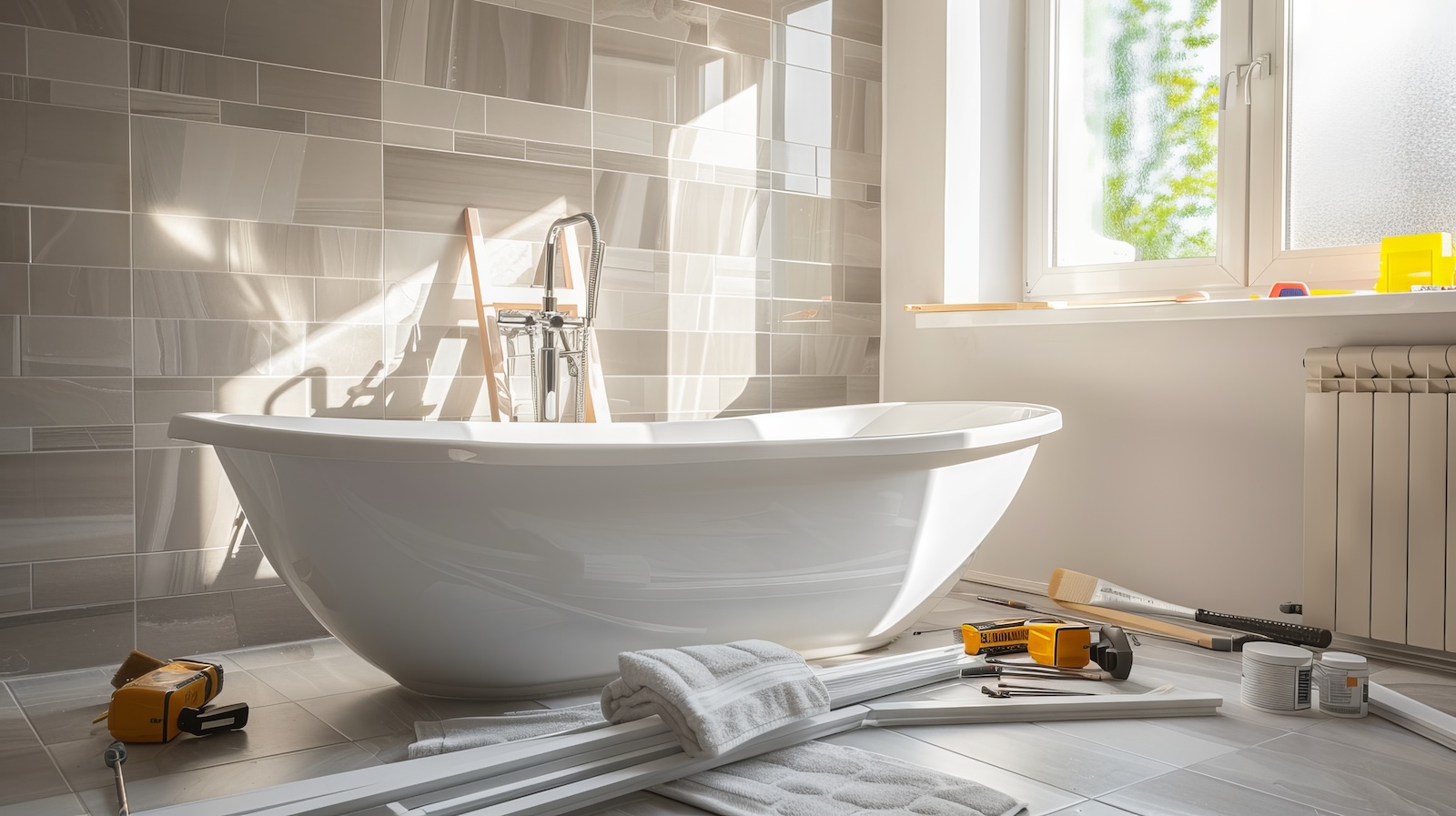
A renovation is the next best opportunity after a new build to get protection onto surfaces before the damage sets in. New stone benchtops, fresh tiling, replacement shower screens, and refinished timber are all at their best the day they go in — and the best time to seal them is before they've had a chance to stain, etch, or weather.
Renovation projects often involve multiple surface types in a single scope — kitchen and bathroom surfaces replaced at the same time, outdoor areas redone alongside internal work. A single visit at the end of the renovation covers everything, so the finished result is protected from day one rather than left to degrade between future appointments.
We work around trades schedules and can coordinate with builders, tilers, and joiners to apply protection as each surface is completed. If you're mid-renovation, it's worth getting us in before the last tradespeople leave site.
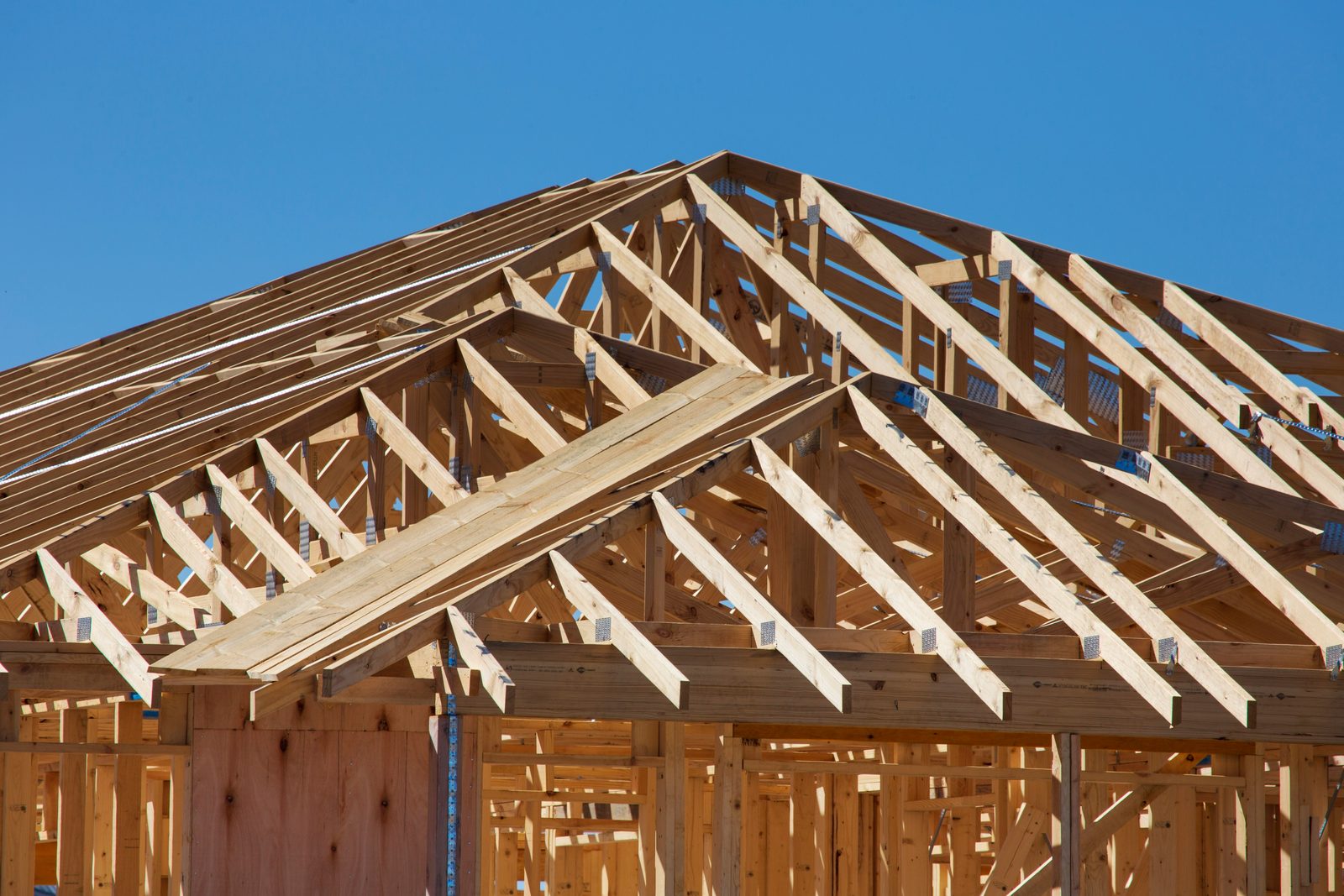
A new build is the best time to apply surface protection — every surface is clean, uncontaminated, and ready to coat. Applying protection at handover means the surfaces never have a chance to degrade before they're sealed, which delivers a better result than restoration and coating later.
Builder touch-up paint, construction dust, and residual adhesive all need to be properly cleaned before any coating goes on. We work from a certified preparation checklist on every new build to make sure the substrate is right before anything is applied.
A new build package covers every surface in a single visit — kitchen and bathroom, glass, timber, stone, outdoor areas, and fabric — so the whole home is protected from day one rather than surface by surface over time.
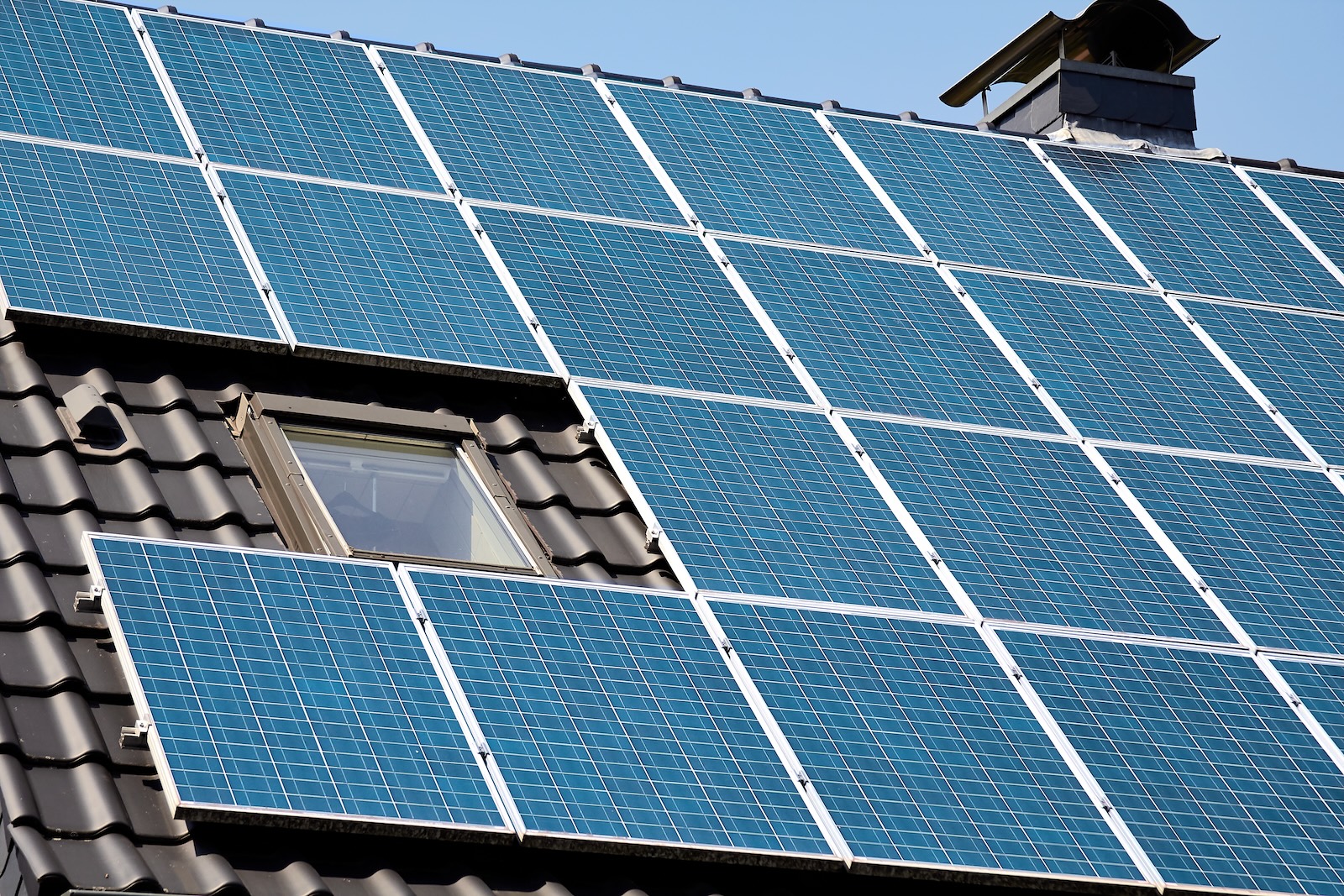
Solar panels are a significant investment that most homeowners leave completely unprotected. Dust, pollen, bird droppings, mineral deposits, and biological growth accumulate on the glass surface over time — and even a thin layer of contamination measurably reduces power generation. Panels that aren't regularly and properly cleaned lose efficiency progressively, often without the owner realising why their output has dropped.
A ceramic hydrophobic coating applied to solar panel glass creates a self-cleaning effect — rain water sheets off and takes surface contamination with it, rather than leaving residue behind as it evaporates. Panels stay cleaner between washes, and when cleaning is required, contamination comes off faster with less effort and less risk of scratching the glass.
Applied to panels on residential rooftops and ground-mounted solar generation systems. One application protects the investment in the system and helps maintain the output it was specified to deliver.
Strata properties have shared surfaces that take the highest volume of traffic and the least consistent maintenance. Lobbies, corridors, stairwells, lifts, and communal facilities are used by every resident and visitor daily — and the cleaning burden falls on building management, not individual owners. Surfaces that aren't protected cost more to maintain and deteriorate faster than they should.
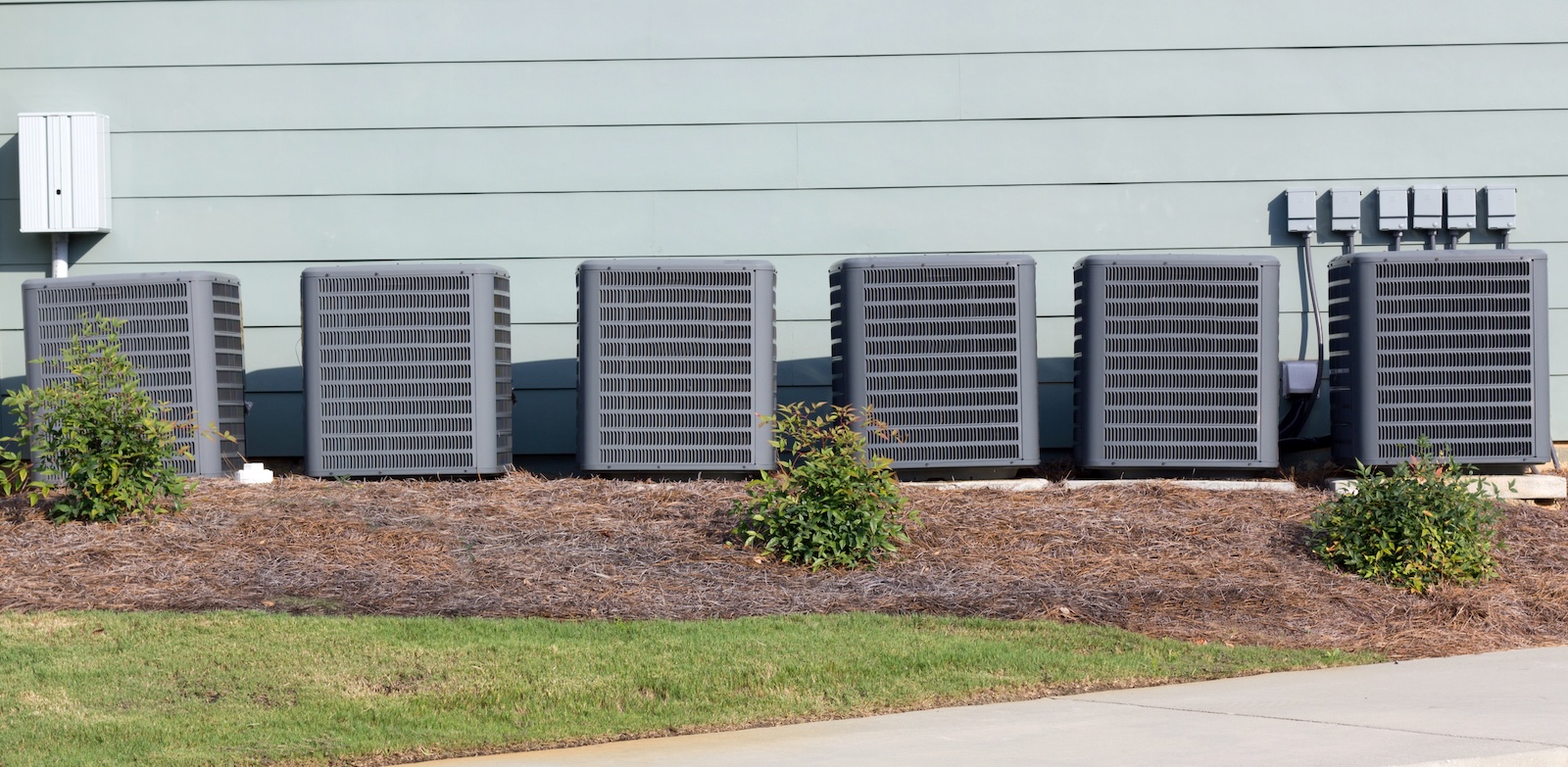
Air conditioning units in strata buildings are particularly exposed — external condensers accumulate salt, biological growth, and mineral deposits that reduce efficiency and shorten service life. Ceramic and anti-corrosion coatings applied to AC housing and external components extend service intervals and protect the equipment from the coastal environment.
We work with body corporates and building managers to coat shared-use areas, high-traffic surfaces, public amenities, and external building assets. The result is surfaces that clean faster, require less intervention, and hold up significantly longer under the volume of use they receive.
We come to you, assess your surfaces, and provide a written recommendation and quote before we leave site — at no cost.
Get Started