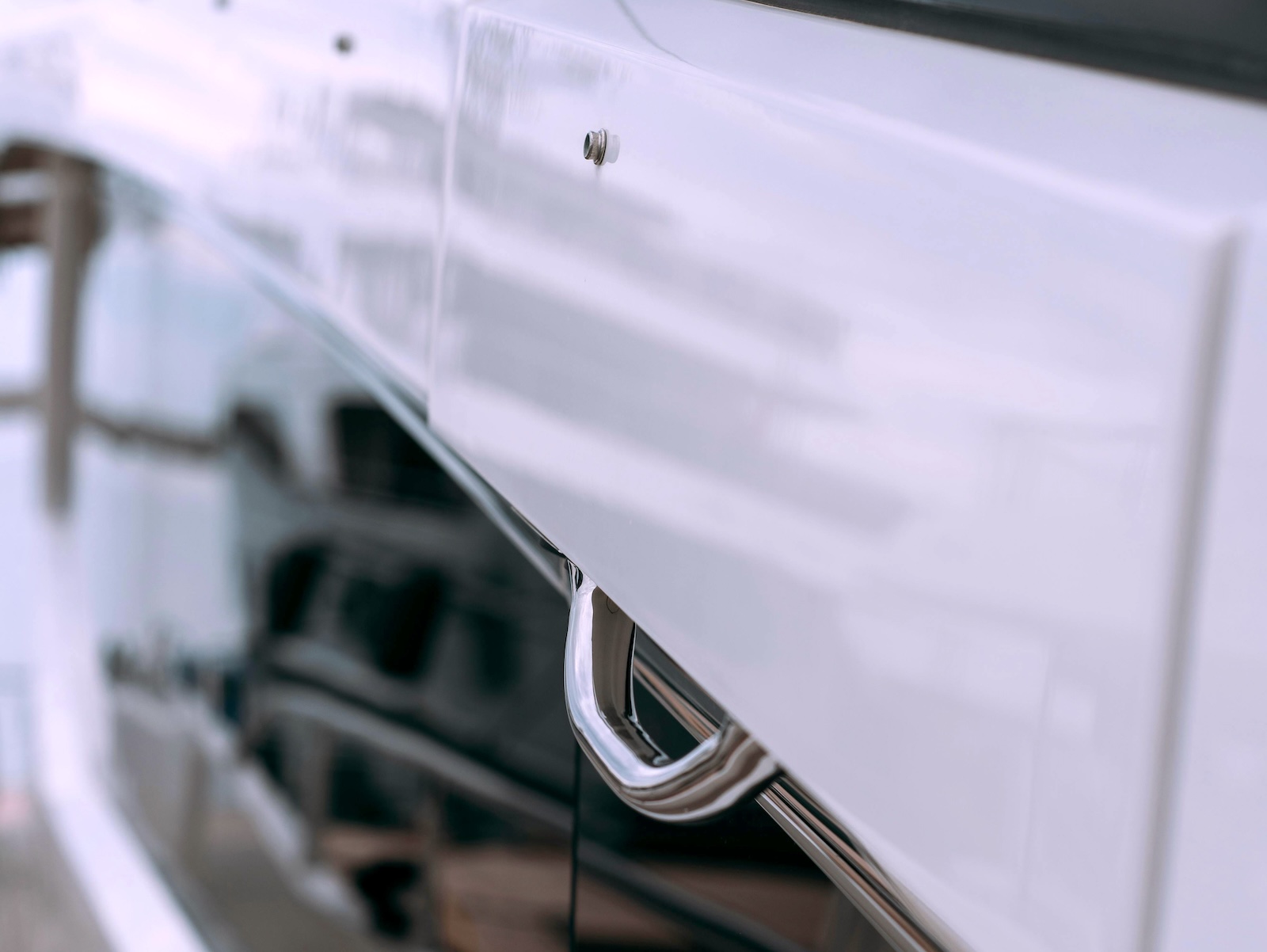
Saltwater doesn't negotiate. It finds every unprotected surface, every unsealed fitting, and every compromised finish — and it gets to work. The marine environment is the most demanding surface environment there is, and most vessels aren't protected to the standard they need to be.
Our lead applicator came up through commercial marine before moving into surface protection — which means he understands marine environments from the inside, not just from the outside of a vessel with a coating gun. He knows what saltwater does to surfaces over time, what gets neglected on a working boat, and what protection actually needs to hold up to. That experience informs every marine job we take on, from a single PWC to a commercial charter fleet.
Teak decking is one of the most distinctive and demanding surfaces on any yacht. Without proper protection it weathers, greys, and dries out — and the oils that give it its character leach away faster than most owners expect in the Queensland sun. We use specialist IGL teak protection products that penetrate the grain, preserve the natural tone, enhance the colour, and seal the surface against salt, UV, and water ingress. Teak that looks maintained, stays that way between seasons rather than needing full restoration each year.
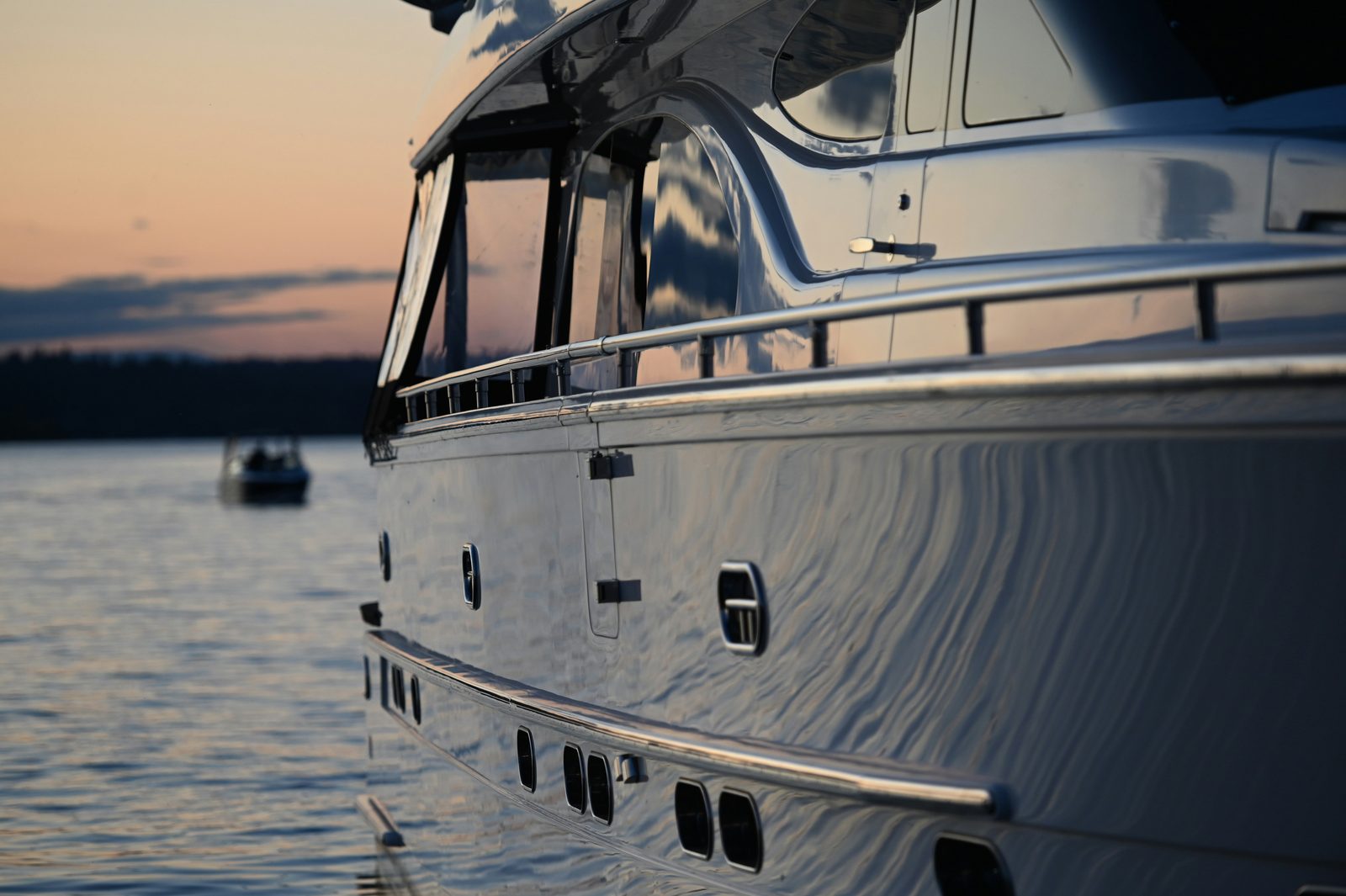
Gel coat paint correction and ceramic coating is the other major exterior application. Oxidised, chalked, and dull gel coat is compounded back and sealed with a marine-grade ceramic system that restores the gloss and protects the surface from further UV degradation and saltwater exposure. Marine glass — windscreens, portlights, and hatches — is coated with a hydrophobic glass coating that sheets water, reduces spray obscuring visibility, and inhibits mineral deposit build-up. Canvas and fabric covers, biminis, and sail bags are treated with a breathable fabric coating that repels water and salt without stiffening the material.
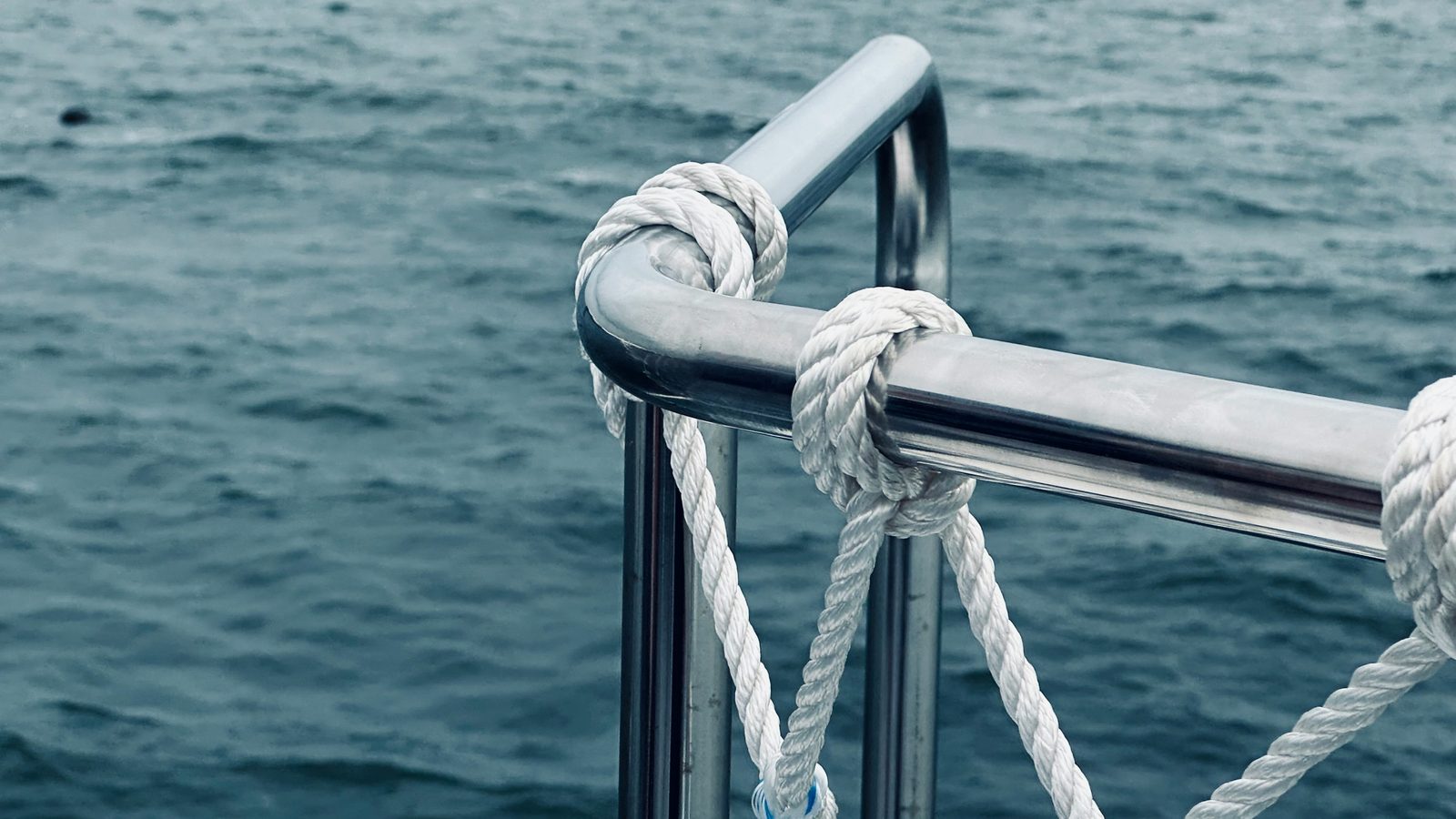
Metal fittings and hardware are coated as part of a full exterior package. Stainless cleats, rails, windscreen frames, and structural hardware are all vulnerable to crevice corrosion and surface staining in a saltwater environment. Anti-corrosion ceramic applied to these surfaces creates a barrier that extends the service life of the fittings and keeps the exterior looking the way it should between haul-outs.
Marine interiors take a specific kind of punishment — salt tracked in from the deck, condensation, humidity, and the kind of regular use that land-based furniture never sees. Carpet and upholstery absorb moisture and organic matter faster than they do in a home. Galley surfaces deal with food contact, cleaning chemicals, and movement. Bathroom surfaces in a confined, high-humidity space develop mould and mineral deposits that standard cleaning doesn't keep ahead of.
We protect carpet and fabric upholstery with a breathable hydrophobic coating that repels liquid and reduces staining at the fibre level. Galley benchtops, splashbacks, and sinks are treated with food-safe ceramic coatings that clean faster and resist the residue that builds up in a working galley. Bathroom surfaces — vanities, shower areas, and heads — are sealed against moisture, mineral deposits, and biological growth.
Charter yacht interiors particularly benefit from this level of protection. Surfaces that are used by multiple guests in quick turnaround require less time to clean to a presentable standard between charters — which means less time tied up at the dock and more time earning.
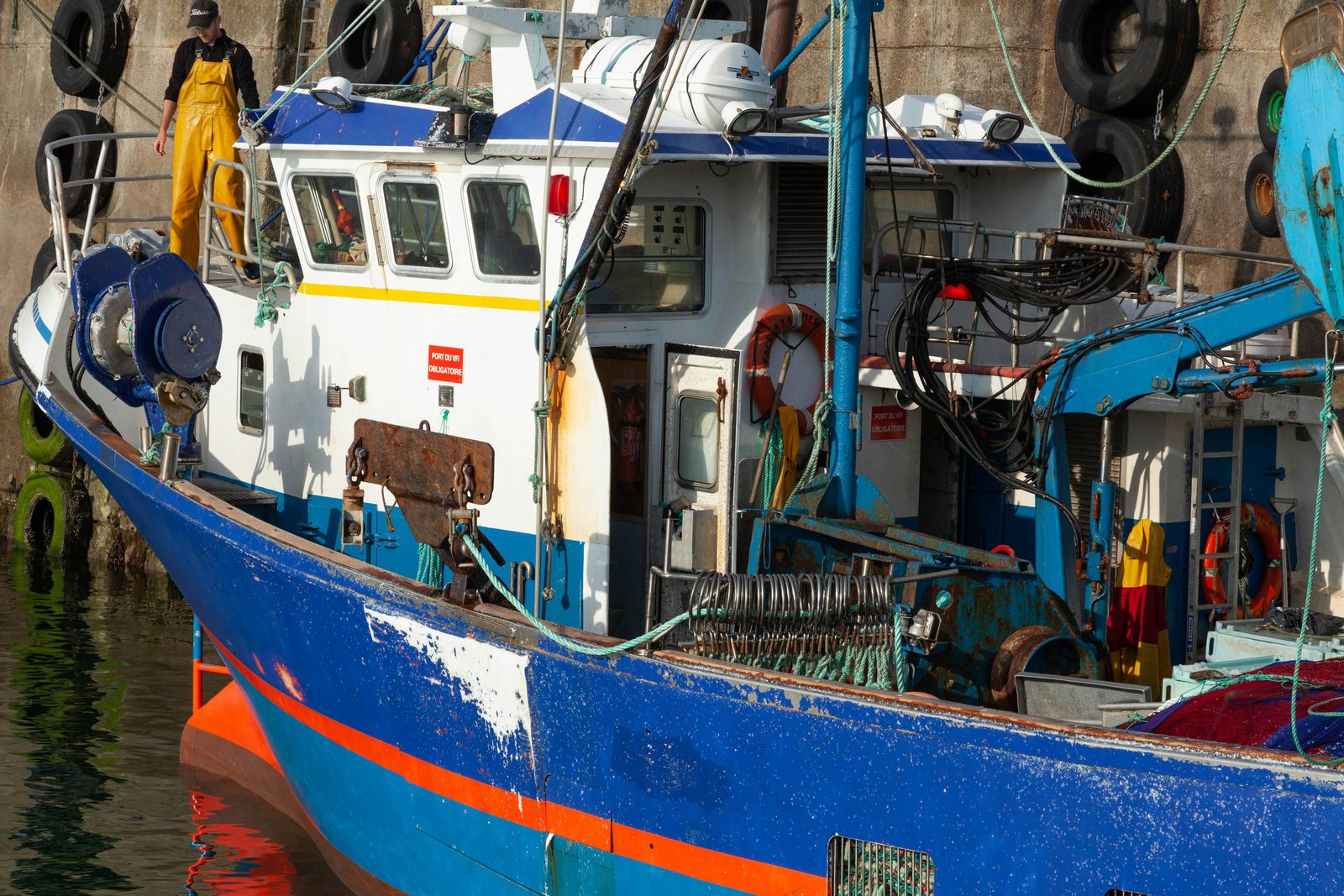
Commercial and fishing vessels run harder and get less downtime than private boats. Every hour out of the water is revenue lost, which means maintenance gets compressed into tight windows and surfaces take more punishment than they were designed for. The finish deteriorates faster, corrosion gets ahead of the maintenance schedule, and the vessel starts looking its age well before it should.
The anti-corrosion coating we rely on for extreme marine environments is IGL Aegis — a product that was specifically engineered to protect crane structures on offshore oil rigs at sea. It carries a 6,000-hour salt spray rating, which is among the highest independently validated figures available for any commercial marine coating. What was built to hold up on an oil rig crane holds up on a working vessel in saltwater without compromise.
Applied to hull surfaces, deck hardware, fishing equipment, engine components, and structural metalwork, IGL Aegis creates a barrier that outperforms standard marine coatings under continuous saltwater exposure. For commercial operators and serious fishing vessels that can't afford corrosion getting ahead of the maintenance schedule, it's the right product for the environment.
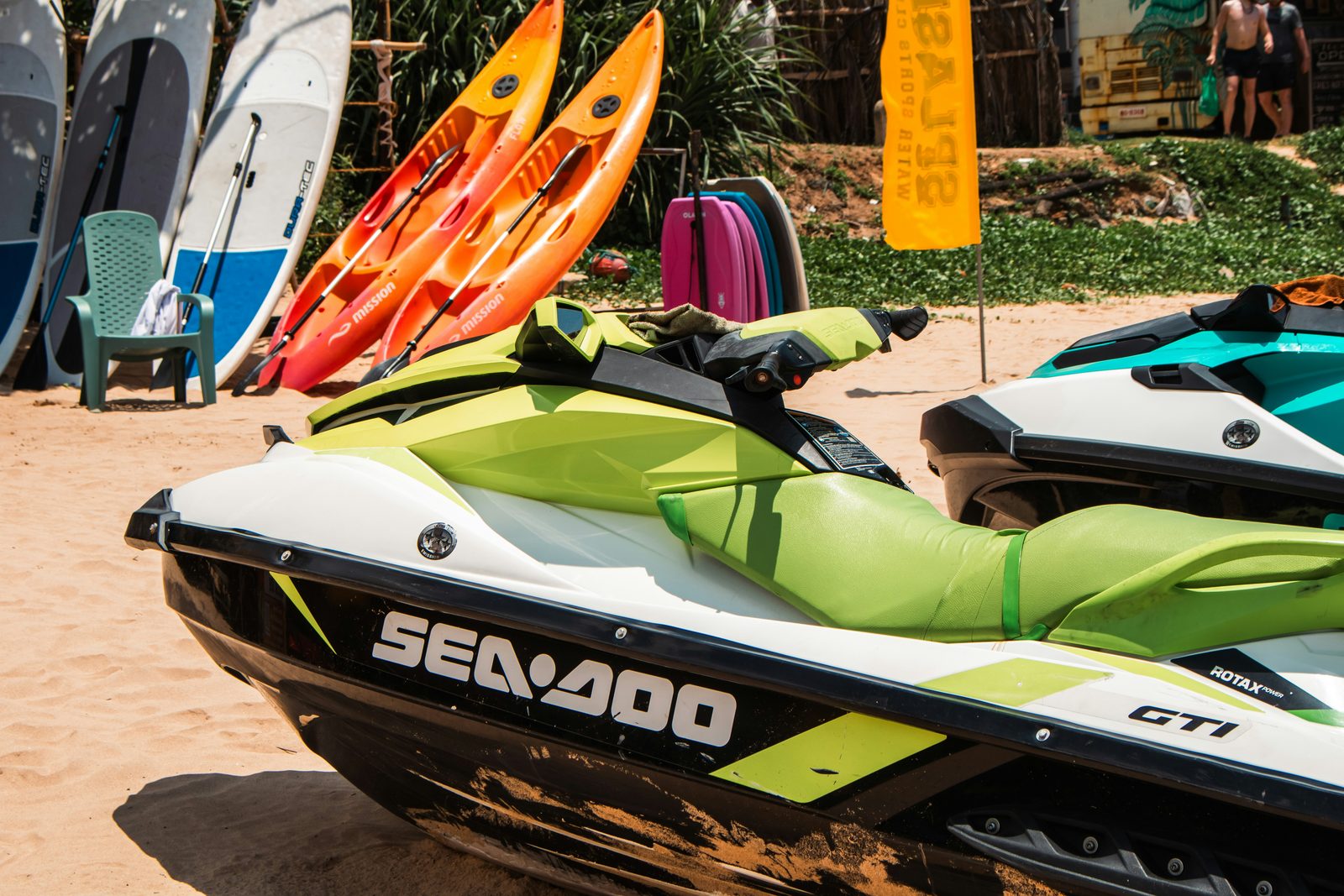
Recreational vessels and personal watercraft spend a lot of time sitting — in the water, on a trailer, or under a cover — and that's when the damage accumulates. UV breaks down unprotected gelcoat. Salt residue left on surfaces after a session starts working into fittings and finish. PWC hulls oxidise and the plastics fade faster than the mechanical components wear out.
Most owners don't think about protection until the vessel already looks like it needs attention. At that point, restoration is possible but it's always more expensive and more involved than protection would have been.
We protect recreational vessels and PWC from the day they're new or restore them before the next season and coat them so they hold up better going forward. On the water, the finish performs. Off the water, the maintenance is easier.
We come to you, assess your surfaces, and provide a written recommendation and quote before we leave site — at no cost.
Get Started