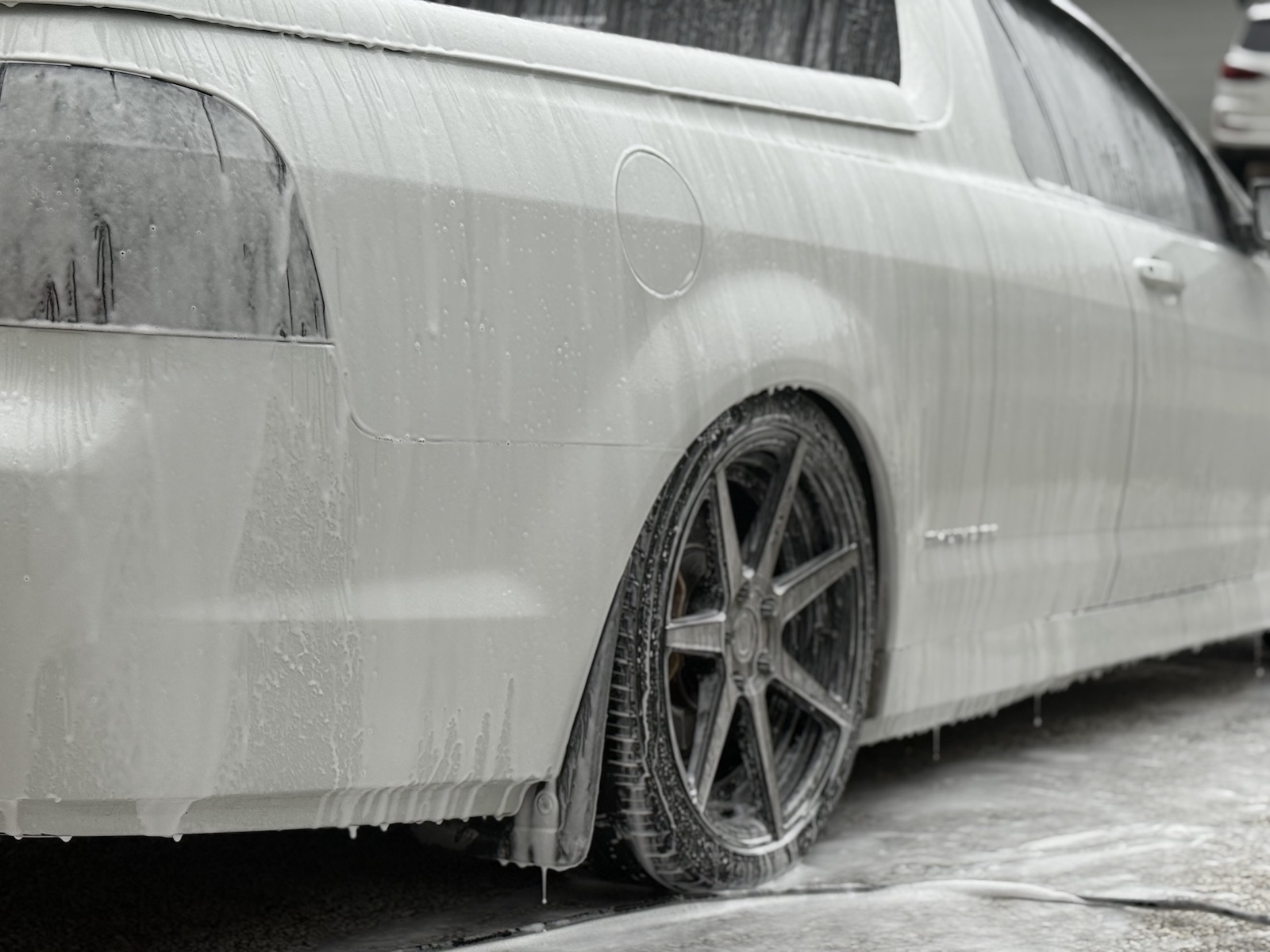
A vehicle's finish is the first thing people see and the first thing to show its age. Paint fades, wheels corrode, glass hazes, and interiors wear — not because the vehicle is old, but because the surfaces were never protected against the environment they operate in every day.
Our lead applicator grew up in motorsport. It's not a passing interest — it's the environment he was raised in, which means he understands how vehicles are built, how they're used, and what it takes to protect and maintain a finish to a standard that actually means something.
Most vehicles on the road — a Ford Ranger, a Mazda BT-50, a Tesla Model 3 — leave the factory with a clear coat that was engineered to a price point, not to the conditions Queensland roads and UV actually put it through. UV, bird acid, industrial fallout, and micro-scratching from everyday washing degrade the finish from the day it leaves the dealership. By the time the paint looks dull or loses depth, the clear coat has already been compromised.
We protect every part of the vehicle, not just the paint. Glass coatings on windscreens and windows improve water beading and reduce the mineral spotting that builds up on unprotected glass. Plastic trim is sealed to prevent the UV fading and greying that makes even newer vehicles look tired. Four-wheel drives get underbody anti-corrosion treatment applied to chassis rails, suspension components, and underfloor surfaces — the areas that cop mud, creek water, and road salt but rarely get any protection. IGL Armor is applied to tray beds, front bars, and rear bars on utes and work vehicles, providing a durable, impact-resistant coating that handles the contact these surfaces take daily.
Protection is tiered from 1 to 5 years depending on the product and how the vehicle is used. Every IGL coating in the range is low or zero VOC — independently certified, environmentally responsible, and safe for the applicator, the vehicle, and the people in it. We assess, correct, and apply to certified standards so the coating bonds to a properly prepared surface, not over a compromised one.
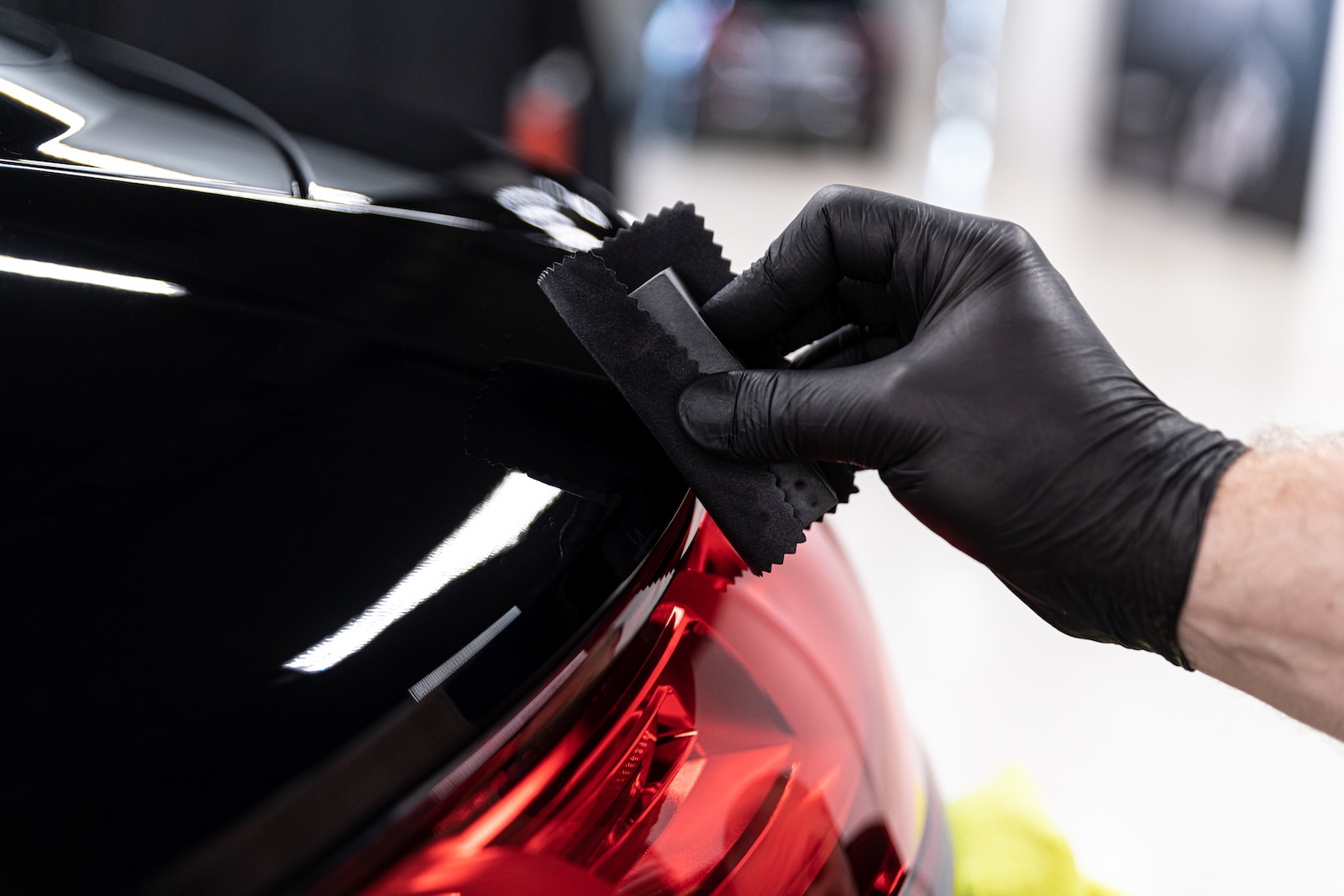
A commercial fleet is a moving billboard — and a fleet that looks neglected says something about the business behind it. The vehicles in most commercial fleets get washed on a schedule, not protected on one. Paint oxidises, trim fades, and the presentation degrades faster than the mechanical condition of the vehicles.
The maintenance cost per vehicle isn't visible until you add it up across the fleet over three years. Detailing spend, paint correction, and early resale value loss are the costs that ceramic protection would have reduced from the start.
Ceramic protection changes the maintenance equation across a fleet — less time spent on detail, better presentation between services, and a finish that holds up to the wash frequency required to keep commercial vehicles on the road looking right. We structure fleet programs around the size of the operation and the turnover cycle, so the approach fits the business, not just the vehicle.

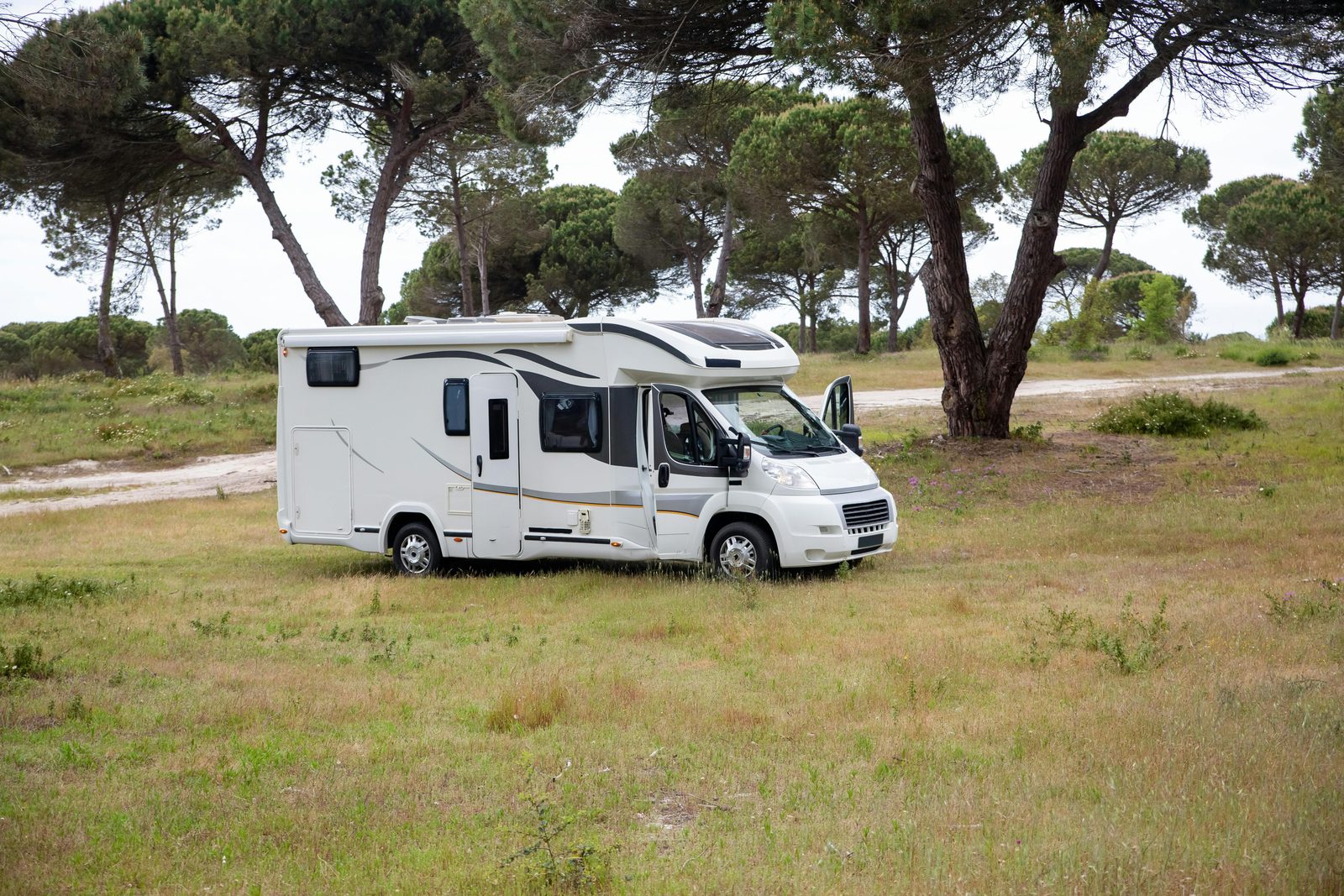
4WDs, campervans, trailers, and off-road vehicles spend their working life in the worst surface conditions there are — UV, mud, road grime, salt, creek crossings, and insect acid from highway runs. Most of it washes off. The damage underneath doesn't.
Most recreational vehicle owners don't think about protection until the paint is chalking and the trim has faded past the point of easy recovery. At that point the conversation shifts from protection to restoration — and restoration always costs more.
Ceramic protection applied to recreational vehicles repels contamination, resists UV degradation, and makes post-trip cleanup significantly faster. The vehicle holds its finish longer, holds its value better, and takes less time to turn around between trips.
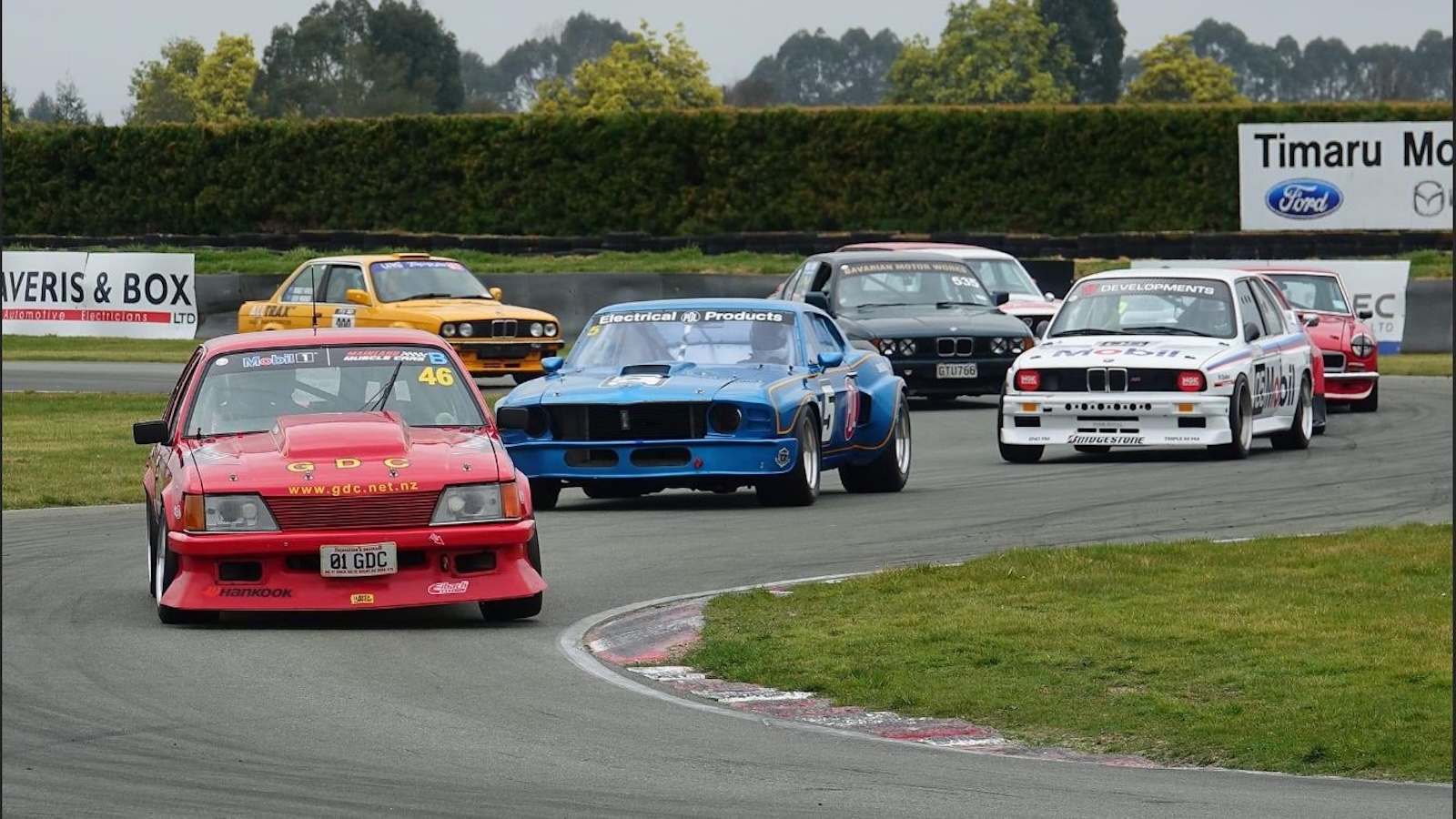
Motorsport surfaces deal with conditions that don't exist in road driving — brake dust baked onto wheels at operating temperature, heat cycling across panels and carbon components, stone chips at speed, and fuel exposure on surfaces that need to stay serviceable. Standard protection products weren't built for this environment.
Most competitors treat surface protection as an afterthought. The car gets detailed before an event and cleaned after. The finish deteriorates through the season and the maintenance becomes part of the prep burden rather than something that's been engineered out of it.
We apply ceramic protection to panels, carbon fibre, wheels, and glass on competition vehicles built to handle the specific conditions of the motorsport environment. We understand what these vehicles actually go through — because it's the environment we come from.
We come to you, assess your surfaces, and provide a written recommendation and quote before we leave site — at no cost.
Get Started